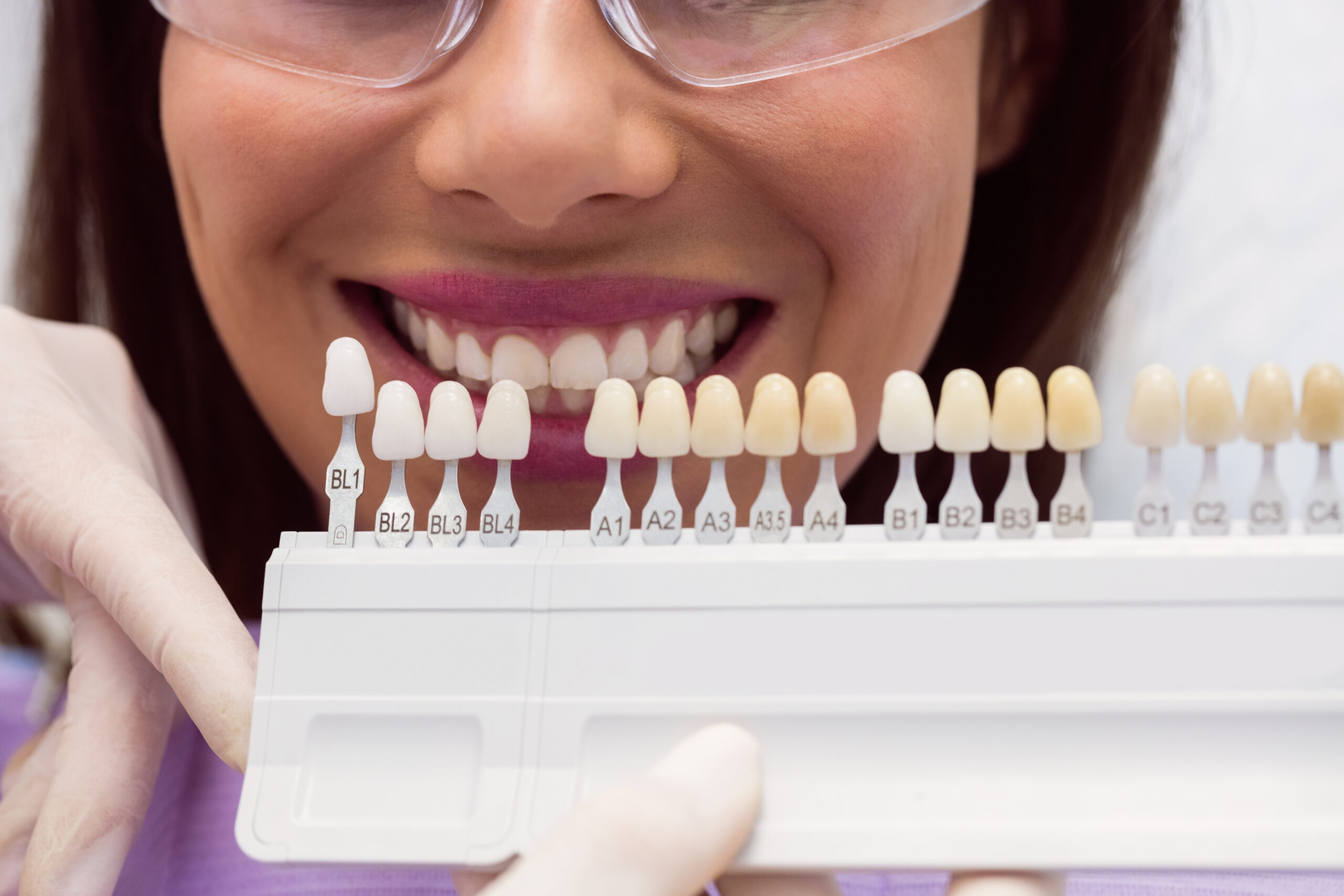

Posted on

Why Are Teeth Sensitive After Whitening?

teeth sensitivity after whitening

Why Are Teeth Sensitive After Whitening?

You have just had your teeth whitened, and instead of simply enjoying the result, you find yourself wincing when you take a sip of cold water.

It can be an unwelcome surprise.

Teeth sensitivity after whitening is a recognised side effect and is often temporary. It does not necessarily mean something has gone wrong with the treatment. How much sensitivity you experience, how strong it feels and how long it lasts can vary from person to person.

Some people describe it as a quick “zing” through one or more teeth. Others notice a dull ache or increased sensitivity to cold drinks, food or air. It may begin during or soon after whitening, or become more noticeable later that day.

At Complete Smiles in Rozelle, patients often ask why their teeth feel sensitive after whitening, how long the discomfort may last and when it is worth having the symptoms checked.

Here is what may be happening.

Why Can Teeth Become Sensitive After Whitening?

To understand whitening sensitivity, it helps to understand the basic structure of a tooth.

The outer layer of the tooth is enamel. Beneath the enamel is dentine, which contains microscopic channels known as dentinal tubules. These communicate with the inner part of the tooth, where the dental pulp and nerves are located.

Whitening treatments commonly use bleaching agents that penetrate the tooth structure and break down coloured molecules that contribute to staining.

During and shortly after whitening, the dentine and nerve within the tooth can become temporarily more responsive to temperature and other stimuli. This may produce short, sharp sensations, particularly when drinking something cold or breathing cool air through the mouth.

Healthdirect Australia’s information about teeth whitening notes that teeth may become sensitive to cold after whitening and that irritation of the gums or other soft tissues can also occur.

This sensitivity is often temporary, but the experience varies between patients.

Why Does Whitening Sensitivity Vary Between People?

One person may have whitening and experience very little discomfort, while another may notice significant sensitivity.

Several factors can influence how your teeth respond, including:

  • Existing tooth sensitivity
  • Enamel wear
  • Exposed dentine
  • Gum recession
  • Cracks or damaged tooth structure
  • Untreated tooth decay
  • The type and concentration of whitening product
  • How long the whitening product remains in contact with the teeth
  • How frequently whitening is performed
  • Your individual response to temperature changes

Whitening is therefore not a one-size-fits-all treatment.

Some people already have areas where gum recession has exposed part of the tooth root. Others may have enamel wear or underlying dental concerns that make certain teeth more responsive.

A professional dental assessment can help identify these issues before treatment and determine whether whitening is suitable for your teeth and gums.

Can Existing Tooth Sensitivity Feel Worse After Whitening?

Yes. If you already have sensitive teeth, whitening can sometimes make that sensitivity more noticeable temporarily.

You may already have sensitivity if your teeth react to:

  • Cold drinks
  • Hot foods or drinks
  • Sweet foods
  • Cool air
  • Toothbrushing
  • Pressure near exposed root surfaces

Sometimes existing sensitivity is mild enough to be overlooked until whitening makes the teeth temporarily more reactive.

This does not necessarily mean that whitening has damaged the teeth. However, pre-existing sensitivity is important information to discuss before treatment.

A dental check-up at Complete Smiles can help identify concerns such as decay, gum recession, enamel wear, cracks or other causes of sensitivity before a whitening treatment is recommended.

Depending on the findings, your dentist may suggest modifying the whitening approach or addressing an underlying dental issue first.

Can Gum Irritation Cause Discomfort After Whitening?

Not all discomfort after whitening comes from the teeth themselves.

Whitening gel can irritate the gums or other soft tissues if it comes into contact with them.

Gum irritation can feel different from tooth sensitivity.

Tooth sensitivity often feels like a brief sharp sensation within the tooth, usually triggered by cold, heat or air.

Gum irritation may feel more like:

  • Surface tenderness
  • Tingling
  • Soreness
  • A mild burning sensation
  • Temporary whitening or colour change in a small area of gum

With professionally supervised whitening, steps are generally taken to reduce unnecessary contact between whitening products and the soft tissues.

If your gums become very painful, significantly swollen or remain irritated, contact your dentist for advice.

How Long Does Tooth Sensitivity Last After Whitening?

There is no exact timeframe that applies to everyone.

Some people notice whitening sensitivity for only a few hours, while others may experience it for a day or several days.

The important point is that temporary whitening sensitivity would generally be expected to improve rather than progressively worsen.

Better Health Channel’s information on cosmetic dentistry and teeth whitening identifies temporary tooth sensitivity as a common potential side effect of whitening treatment.

If your sensitivity is severe, does not improve or develops into persistent toothache, it should be assessed.

It is particularly worth arranging a dental examination if one tooth is significantly more painful than the others.

Persistent discomfort focused on a single tooth may have another cause, such as:

  • Tooth decay
  • A crack
  • Gum recession
  • Exposed dentine
  • A damaged restoration
  • Another dental condition

Do not assume persistent pain is simply a normal consequence of whitening.

How Can You Reduce Sensitivity After Teeth Whitening?

There are several practical steps that may make your teeth more comfortable while sensitivity settles.

Avoid Very Hot and Cold Foods and Drinks

Cold water, ice, chilled smoothies or very hot drinks may trigger sensitive teeth more easily after whitening.

Lukewarm food and drinks may feel more comfortable until the sensitivity improves.

Use a Toothpaste for Sensitive Teeth

A desensitising toothpaste may be helpful for some people.

These toothpastes contain ingredients intended to reduce responses to sensitivity triggers. Your dentist can advise whether a particular product is appropriate for you.

Brush Gently

Continue brushing and cleaning your teeth, but use a soft toothbrush and gentle pressure.

Aggressive brushing can irritate the gumline and may contribute to sensitivity in areas where dentine is exposed.

Avoid Foods That Trigger Sensitivity

If your teeth are already sensitive, acidic foods and drinks may make the discomfort more noticeable.

Common examples include:

  • Soft drinks
  • Sports drinks
  • Citrus fruit and juices
  • Vinegar-based foods
  • Wine

You do not necessarily need to follow an unusually restrictive diet, but avoiding foods and drinks that clearly trigger symptoms may make the recovery period more comfortable.

Do Not Repeat Whitening Too Soon

Avoid adding extra whitening sessions because you want a faster or brighter result.

Increasing the frequency or duration of whitening can increase the chance of tooth sensitivity or gum irritation.

Follow your dentist’s instructions or the directions supplied with the whitening system.

Pause Whitening if Sensitivity Becomes Significant

If you are using a professionally supplied take-home system and your teeth become significantly sensitive or painful, stop and contact your dentist before continuing.

The appropriate frequency and duration can vary according to your individual teeth and the whitening system being used.

Why Does a Dental Check-Up Before Whitening Matter?

Whitening may seem straightforward, but it is important to know whether your teeth and gums are suitable before treatment.

A dental examination may identify:

  • Tooth decay
  • Existing sensitivity
  • Gum disease
  • Gum recession
  • Enamel wear
  • Cracks or fractures
  • Exposed root surfaces
  • Damaged or leaking restorations
  • Crowns, veneers or fillings in visible areas

These factors can affect both treatment suitability and how your teeth respond afterwards.

Whitening also works differently on natural teeth compared with restorations. Crowns, veneers and fillings do not lighten in the same way as natural enamel, so existing dental work can influence the final colour match.

Better Health Channel also advises having your mouth checked before cosmetic dental procedures so existing oral health problems can be identified and treated first.

A consultation with Dr Lahoud at Complete Smiles or another member of the dental team allows your teeth, gums, restorations and history of sensitivity to be considered before recommendations are made.

When Should Sensitivity After Whitening Be Checked?

Mild sensitivity can occur after whitening, but some symptoms deserve professional attention.

Contact your dentist if:

  • Sensitivity is severe
  • Pain is becoming worse rather than improving
  • One tooth is much more painful than the others
  • Pain continues after the hot or cold trigger has gone
  • You have pain when biting
  • Your gums are significantly irritated
  • Swelling develops
  • Sensitivity persists longer than expected
  • You are unsure whether your symptoms are normal

Persistent tooth pain should not automatically be attributed to whitening.

Your dentist can assess whether the symptoms are consistent with temporary whitening sensitivity or whether another dental condition may be contributing.

Can You Keep Whitening If Your Teeth Are Sensitive?

If sensitivity is mild, the appropriate next step depends on the type of whitening treatment and the instructions you have been given.

However, if your teeth become significantly sensitive or painful, it is generally sensible to pause whitening and ask your dentist for advice before continuing.

Your dentist may recommend changing the frequency or duration of treatment, allowing more recovery time or addressing another cause of sensitivity before further whitening is considered.

Treatment suitability should always be based on your individual dental health rather than on a fixed whitening schedule.

When to Get in Touch

Teeth sensitivity after whitening is a recognised side effect and is often temporary.

How sensitive your teeth become can depend on factors such as existing sensitivity, exposed dentine, enamel wear, gum recession, the whitening product used and your individual response to treatment.

If the sensitivity is mild and gradually improving, your teeth may simply need time to settle.

If pain is severe, persistent, worsening or affecting one tooth more than the others, arrange a professional assessment rather than assuming whitening is the only cause.

If you are in Rozelle and are concerned about sensitivity after whitening, contact Complete Smiles to arrange an assessment and discuss what may be appropriate for your teeth.

FAQs

Is it normal for teeth to be sensitive after whitening?

Yes. Tooth sensitivity is a recognised side effect of whitening and is often temporary. The severity varies between people. If sensitivity is severe, worsening or persistent, a dentist should assess your teeth to determine whether another issue may be contributing.

How long does sensitivity after teeth whitening last?

There is no exact timeframe for everyone. Some people experience sensitivity for only a few hours, while others may notice it for several days. It should generally improve rather than worsen. Persistent or severe discomfort should be checked by a dentist.

Can I reduce sensitive teeth after whitening?

You may be able to reduce discomfort by temporarily avoiding very hot or cold foods and drinks, brushing gently with a soft toothbrush and using a desensitising toothpaste if appropriate. Follow your dentist’s aftercare instructions rather than increasing the frequency of whitening.

Should I be worried if my teeth are still sensitive a week after whitening?

Sensitivity lasting around a week or longer is worth discussing with your dentist, particularly if it is not improving. Persistent sensitivity or pain can have causes other than whitening and may require a dental examination.

Does everyone get sensitive teeth after whitening?

No. Some people notice little or no sensitivity, while others experience more noticeable discomfort. Existing sensitivity, exposed dentine, gum recession, enamel wear and the whitening approach used can all influence how your teeth respond.

Does sensitivity mean teeth whitening has damaged my teeth?

Not necessarily. Temporary sensitivity is a recognised side effect of whitening and does not by itself mean that your teeth have been damaged. Severe, worsening or ongoing pain should be professionally assessed.

Can I keep whitening if my teeth are already sensitive?

If your teeth become significantly sensitive or painful, pause whitening and ask your dentist for advice before continuing. Your dentist may recommend changing the treatment frequency, allowing more recovery time or addressing another source of sensitivity first.


Posted on

In-Chair vs Take-Home Teeth Whitening: Which Is Better?

in-chair vs take-home teeth whitening

Not everyone needs the fastest teeth-whitening option, and not everyone wants to whiten their teeth gradually at home.

The comparison between in-chair and take-home teeth whitening is not about finding one option that is better for everyone. It is about determining which approach may suit your teeth, lifestyle, budget, sensitivity and expectations.

Both are professional whitening treatments provided through a dental practice:

  • In-chair whitening is performed at the dental clinic, often during one appointment.
  • Take-home whitening uses custom-made trays and whitening gel supplied by your dentist for gradual use at home.

At Complete Smiles in Rozelle, your dentist can assess your teeth and gums before discussing which whitening option may be appropriate.

The right choice depends on your oral health, the cause of the discolouration, your existing dental work and what you hope to achieve. Treatment suitability and results can only be determined through an individual assessment.

What Do In-Chair and Take-Home Whitening Have in Common?

Both treatments are designed to lighten the colour of natural tooth enamel.

Professional whitening products commonly contain hydrogen peroxide or carbamide peroxide. These ingredients chemically treat the teeth to reduce the appearance of some types of staining and discolouration.

The Australian Dental Association’s teeth-whitening guidance explains that dentists can provide both in-chair and supervised take-home whitening treatments. It also notes that take-home whitening generally takes longer, but this does not mean its final result is necessarily better or worse.

Before beginning either option, a dentist should examine your teeth and gums. Whitening may need to be delayed or avoided if you have:

  • Untreated tooth decay
  • Cracked or damaged teeth
  • Active gum disease
  • Significant tooth sensitivity
  • Exposed tooth roots
  • Leaking or failing restorations
  • Certain types of internal tooth discolouration
  • Pregnancy or breastfeeding

Whitening also does not change the colour of crowns, veneers or tooth-coloured fillings. If these restorations are visible when you smile, whitening your natural teeth could create a colour difference.

Your dentist can explain these limitations before you decide whether to proceed.

What Is In-Chair Teeth Whitening?

In-chair teeth whitening is carried out at the dental clinic.

A dental professional applies whitening gel to the teeth while protecting the gums, lips and other soft tissues. Depending on the whitening system, a light may also be used during treatment.

In-chair treatments can use higher-strength whitening gels than many products intended for use at home. This is one reason they are performed under professional supervision.

This option may suit someone who:

  • Prefers treatment to be managed at the clinic
  • Wants to complete whitening during one appointment
  • Does not want to manage trays and gel at home
  • Has an upcoming event
  • Is considered suitable after a dental assessment

Complete Smiles offers Zoom teeth whitening in Rozelle, with in-chair and custom take-home options discussed according to the patient’s goals, schedule and sensitivity.

What Is Zoom Teeth Whitening?

Zoom is one type of professional whitening system that may be used for in-chair treatment.

When people compare Zoom whitening with home whitening, the most useful distinction is not simply the brand name. It is whether a clinic-based or gradual home-based approach is more appropriate for their circumstances.

A dentist will still need to assess:

  • The condition of the teeth and gums
  • The type of staining
  • Existing crowns, veneers or fillings
  • Previous sensitivity
  • Cracks, decay or exposed roots
  • The patient’s expectations

A fast treatment is not automatically the most suitable treatment.

What Are the Advantages of In-Chair Whitening?

Treatment Is Completed at the Clinic

A dental professional manages the gel application, timing and protection of the soft tissues.

You do not need to remember how much gel to place in a tray, how long to wear it or when to stop treatment.

It May Be Completed in One Visit

In-chair whitening is often chosen by people who prefer to complete treatment during one appointment.

This can be useful when preparing for an event such as a wedding, graduation, holiday or professional occasion. However, the amount of whitening achieved varies between patients and cannot be guaranteed.

Professional Monitoring

The dental team can monitor your teeth and gums throughout the appointment.

Treatment may be adjusted or stopped if you experience sensitivity or irritation.

No At-Home Routine

Some people prefer not to wear trays at home or manage a multi-day treatment schedule. In-chair whitening may be more convenient for patients who are unlikely to use take-home trays consistently.

What Are the Limitations of In-Chair Whitening?

A Longer Dental Appointment

Although the treatment may be completed in one visit, the appointment itself can be longer than a routine dental appointment.

Patients who find it uncomfortable to keep their mouth open for extended periods may prefer a more gradual alternative.

Possible Tooth Sensitivity

Temporary tooth sensitivity is a recognised side effect of whitening. The teeth may feel sensitive to cold air, food or drinks after treatment.

Healthdirect also notes that whitening gel can irritate or burn the lips, gums or tongue if strong bleaching agents contact the soft tissues. Professional assessment and application help manage these risks, but they cannot eliminate them completely.

Less Control Over the Pace

In-chair whitening is performed during a single appointment. Patients who would prefer to monitor their tooth colour gradually may feel more comfortable with take-home treatment.

Cost

Treatment fees vary between practices and patients.

In-chair whitening may cost more than a take-home option because it involves clinical time, professional application and additional equipment. Ask for a written estimate before proceeding.

Faster Does Not Mean Longer Lasting

Completing whitening in one visit does not mean the result will necessarily last longer.

How quickly staining returns depends on factors such as:

  • Coffee, tea and red wine consumption
  • Smoking or tobacco use
  • Oral hygiene
  • Natural ageing
  • The original cause of discolouration
  • Maintenance habits

What Is Take-Home Teeth Whitening?

Take-home teeth whitening is supplied and supervised by a dentist but completed by the patient at home.

The dentist usually takes a scan or impression of your teeth so custom whitening trays can be made. You are then provided with whitening gel and instructions covering:

  • How much gel to place in each tray
  • How to insert and remove the trays
  • How long to wear them
  • How often to complete treatment
  • What to do if sensitivity occurs
  • When to stop and contact the practice

The trays are made to fit your teeth rather than being a generic shape.

Healthdirect explains that dentist-provided take-home treatment involves custom-made trays and a gel strength selected according to the patient’s needs. It usually takes longer than in-chair whitening to produce a visible change.

Take-home treatment is different from buying a generic whitening product online, at a supermarket or from a pharmacy. Dentist supervision allows your oral health, restorations and sensitivity risk to be considered before treatment begins.

What Are the Advantages of Take-Home Whitening?

Gradual Treatment

Take-home whitening changes the appearance of the teeth over a series of applications.

Some patients prefer this gradual approach because they can monitor the colour and sensitivity throughout treatment, following their dentist’s instructions.

Greater Scheduling Flexibility

Once the custom trays have been made and your dentist has explained how to use them, treatment can be completed at home.

You do not need to attend a long in-chair whitening appointment.

More Control Over the Process

Take-home whitening may suit patients who want a gradual process and are comfortable following a treatment schedule.

You should not change the amount of gel, application frequency or wearing time without speaking to your dentist.

Possible Maintenance Use

If the trays continue to fit correctly, your dentist may advise using them for occasional whitening maintenance.

Top-up treatment should only be completed with professional guidance. Whitening too frequently may increase sensitivity and gum irritation.

Custom-Made Trays

Dentist-provided trays are made for your mouth. A closer fit can help distribute the gel and reduce unnecessary contact with the gums when the trays are used as directed.

The Australian Dental Association advises that poorly fitting generic trays may allow gel to flow unevenly or contact the gums, potentially causing discomfort.

What Are the Limitations of Take-Home Whitening?

It Requires Consistency

Take-home whitening depends on following the instructions for the recommended number of days or weeks.

It may not suit someone who is likely to forget applications, stop treatment early or find it difficult to maintain a routine.

Results Develop More Gradually

Take-home treatment generally takes longer than in-chair whitening.

It may not be the preferred option if you are seeking treatment before an event in the near future. Your dentist can explain the expected schedule, but the rate and degree of change vary between patients.

You Must Use the Trays Correctly

Using too much gel, wearing the trays longer than recommended or whitening more frequently will not necessarily produce a better result.

Incorrect use can increase the chance of:

  • Tooth sensitivity
  • Gum irritation
  • Soft-tissue discomfort
  • Uneven whitening
  • Wasted whitening gel

The Trays May Feel Unfamiliar

Custom trays are designed to fit closely, but they may feel unusual at first.

Tell your dentist if a tray rubs, feels loose or no longer fits properly. Do not force an old tray over teeth that have moved or received new dental work.

In-Chair vs Take-Home Whitening: A Simple Comparison

In-Chair Whitening May Suit You If:

  • You prefer treatment performed at the clinic
  • You want a faster process
  • You do not want to manage trays at home
  • You are comfortable attending a longer appointment
  • You have an event approaching
  • Your dentist considers in-chair whitening suitable

Take-Home Whitening May Suit You If:

  • You prefer gradual whitening
  • You want greater control over the pace
  • You are comfortable following instructions
  • You prefer completing treatment around your schedule
  • You may want dentist-approved maintenance options
  • Your dentist considers custom tray whitening suitable

Combination Treatment

Some patients may be offered a combination of in-chair and take-home whitening.

For example, an in-chair treatment may be followed by custom trays for dentist-directed maintenance. This is not necessary or appropriate for everyone.

The recommended approach depends on your teeth, sensitivity, existing restorations and treatment goals.

Is Professional Whitening Better Than Over-the-Counter Whitening?

The main advantage of professional whitening is that it begins with an oral health assessment.

A dentist can check for:

  • Tooth decay
  • Cracks or fractures
  • Gum disease
  • Exposed tooth roots
  • Worn enamel
  • Existing sensitivity
  • Crowns, veneers and fillings that will not whiten
  • Internal staining that may not respond to external whitening

The Healthdirect teeth-whitening guide recommends having whitening supervised or advised by a dental professional. It notes that treatment is not suitable for everyone and that strong bleaching products may cause sensitivity or soft-tissue irritation.

Some over-the-counter products may help reduce external surface stains. However, they are not customised to your teeth and do not replace an examination, particularly when the cause of the discolouration is unknown.

Seek dental advice before whitening if you have pain, significant sensitivity, gum problems, cracks, restorations or a single tooth that has changed colour.

Does Whitening Work on Every Type of Stain?

No. The cause of the discolouration affects how a tooth may respond.

External stains can be associated with:

  • Coffee
  • Tea
  • Red wine
  • Smoking
  • Strongly coloured foods and drinks
  • Plaque and tartar build-up

Internal discolouration may be associated with:

  • Dental trauma
  • Certain medicines taken while teeth were developing
  • Root canal treatment
  • Tooth development conditions
  • Changes within the dental pulp

The Australian Dental Association advises that internal staining can be more difficult to treat from the outside and may require a different dental approach.

Your dentist can assess the likely cause and explain whether external whitening may be useful.

Will Whitening Affect Crowns, Veneers or Fillings?

Whitening gel lightens natural tooth enamel. It does not change the colour of:

  • Porcelain crowns
  • Dental veneers
  • Composite fillings
  • Bridges
  • Dental implants
  • Dentures

If you have visible restorations, they may appear darker than the surrounding natural teeth after whitening.

Your dentist may recommend considering whitening before replacing a visible restoration so that its shade can be selected afterwards. Whether this is appropriate depends on your overall treatment plan.

Can Teeth Whitening Cause Sensitivity?

Yes. Temporary sensitivity can occur with both in-chair and take-home whitening.

Sensitivity may be more likely if you already have:

  • Sensitive teeth
  • Exposed roots
  • Tooth wear
  • Cracks
  • Untreated decay
  • Leaking restorations
  • Gum recession

Your dentist can assess these factors before treatment and discuss ways to manage sensitivity.

Stop using take-home whitening products and contact your dentist if you experience severe pain, persistent sensitivity, gum burns or irritation that does not settle.

How Can You Maintain Whitening Results?

Teeth whitening is not permanent. New staining can develop over time.

Helpful habits include:

  • Brushing twice daily with fluoride toothpaste
  • Cleaning between your teeth every day
  • Attending dental check-ups and professional cleans
  • Rinsing with water after coffee, tea or red wine
  • Avoiding prolonged sipping of staining drinks
  • Avoiding smoking and tobacco
  • Using maintenance whitening only when advised
  • Following your dentist’s aftercare instructions

The Better Health Channel’s advice on teeth and mouth care recommends brushing twice daily, cleaning between the teeth and attending regular dental visits.

These habits may help maintain the appearance of the teeth, but they cannot prevent all future colour changes.

Which Whitening Option Is Better?

Neither option is better for every patient.

In-chair whitening may be appropriate if you want a faster, clinic-managed treatment and your teeth are suitable.

Take-home whitening may be appropriate if you prefer a gradual process, greater scheduling flexibility and the ability to complete treatment at home.

The decision should not be based on speed, price or online before-and-after photographs alone.

An assessment with Dr Marcel Lahoud can help identify:

  • Whether your teeth and gums are healthy enough for whitening
  • The likely cause of the discolouration
  • Whether your restorations may affect the appearance
  • Your risk of sensitivity
  • Which treatment method may be appropriate
  • What outcome may be realistic

Whitening results vary, and a particular shade or length of time cannot be guaranteed.

Book a Teeth-Whitening Consultation in Rozelle

If you are considering professional whitening, begin with an assessment of your teeth and gums.

The dental team can discuss the differences between in-chair and take-home whitening, explain the possible risks and limitations, and recommend an approach based on your oral health and goals.

To arrange an individual assessment, contact Complete Smiles in Rozelle.

Frequently Asked Questions

Is in-chair whitening better than take-home whitening?

Not always.

In-chair whitening is generally faster and managed at the dental clinic. Take-home whitening is more gradual and can provide greater scheduling flexibility.

The appropriate option depends on your teeth, the type of staining, your sensitivity, existing restorations and your dentist’s assessment.

What is the difference between Zoom whitening and home whitening?

Zoom whitening commonly refers to an in-chair professional whitening system used at a dental practice.

Home whitening generally refers to custom trays and whitening gel supplied by a dentist for use at home. It should not be confused with generic whitening kits bought online or from shops.

Your dentist can explain which option may be suitable after examining your teeth and gums.

How long does take-home teeth whitening take?

The schedule depends on the whitening product, gel strength, treatment plan and how your teeth respond.

Your dentist will tell you how long to wear the trays each day and how many days or weeks to continue. Do not extend treatment without professional advice.

Can teeth whitening make my teeth sensitive?

Yes. Tooth sensitivity is a recognised side effect of both in-chair and take-home whitening.

It is often temporary, but the severity varies. Tell your dentist if you already have sensitive teeth and contact the practice if discomfort is severe or persistent.

Will whitening work on crowns, veneers or fillings?

No. Whitening products lighten natural tooth enamel but do not change the colour of crowns, veneers, fillings, bridges, implants or dentures.

Your dentist can explain how visible dental work may affect the overall appearance after whitening.

Should I see a dentist before whitening my teeth?

Yes. A dental assessment is recommended before beginning whitening.

Your dentist can check for decay, cracks, gum disease, exposed roots, sensitivity and restorations. They can also determine whether the discolouration is likely to respond to whitening.

Is take-home whitening the same as a supermarket kit?

No.

Dentist-provided take-home whitening normally uses custom-made trays, a professionally selected gel and personalised instructions. Generic kits are not individually fitted or based on a dental assessment.

Can I combine in-chair and take-home whitening?

Some patients may be offered both treatments, such as in-chair whitening followed by dentist-directed maintenance with custom trays.

Combination treatment is not required or suitable for everyone. Your dentist can recommend a plan after assessing your oral health and whitening goals.

How long do whitening results last?

There is no fixed timeframe.

The appearance may be affected by coffee, tea, red wine, smoking, oral hygiene, natural ageing and the original type of staining. Maintenance treatment should only be used as recommended by your dentist.

Posted on

How Long Does Professional Teeth Whitening Last?

how long does teeth whitening last

Professional teeth whitening is not permanent.

There is no single timeframe that applies to everyone. For some people, the brighter appearance may remain noticeable for many months or longer. For others, staining may return sooner, particularly with frequent exposure to coffee, tea, red wine, tobacco and strongly coloured foods.

How long professional teeth whitening lasts can depend on:

  • Your natural tooth colour
  • The type and depth of staining
  • The whitening method used
  • Your diet and drinking habits
  • Smoking or tobacco use
  • Your oral hygiene
  • Existing dental restorations
  • Whether you follow your dentist’s maintenance advice

Teeth whitening lightens the colour of natural teeth, but it does not prevent new stains from developing. Results, sensitivity and treatment suitability vary between individuals.

At Complete Smiles in Rozelle, Sydney, professional teeth whitening begins with an assessment of your teeth and gums. Your dentist can discuss your goals, identify factors that may affect the outcome and explain whether whitening is appropriate for you.

Why Do Teeth Whitening Results Fade?

Your teeth are exposed to pigments every day.

Coffee, tea, red wine and tobacco are common causes of external tooth staining. Other strongly coloured foods and drinks may also contribute to discolouration over time. The Australian Dental Association explains that pigments in coffee, tea and red wine can attach to tooth enamel, while tobacco may cause teeth to develop a yellowish colour.

Natural ageing can also change the appearance of your teeth. As enamel becomes thinner, more of the underlying dentine may show through, making the teeth appear darker or more yellow.

This does not necessarily mean that whitening has failed. It means your teeth continue to be affected by ageing, diet, oral hygiene and everyday habits after treatment.

What Affects How Long Teeth Whitening Lasts?

Two people can receive similar professional whitening treatment and experience different results.

The following factors can influence how quickly the colour changes again.

Your Starting Tooth Colour

Teeth naturally vary in colour.

Some people have yellow-toned discolouration associated with ageing or surface stains. Others may have grey, brown or deeper internal discolouration caused by factors such as trauma, medication or previous dental treatment.

External and internal stains do not always respond to whitening in the same way. The Australian Dental Association advises that dental practitioners are best placed to identify the cause of discolouration and determine whether whitening is likely to be effective.

An assessment with Dr Lahoud can help establish the likely cause of the discolouration and what may be realistic for your teeth.

Whitening may brighten natural enamel, but a particular shade or degree of change cannot be guaranteed.

Your Diet and Drinking Habits

Frequent exposure to dark or strongly coloured foods and drinks may cause staining to return sooner.

Common examples include:

  • Coffee
  • Black tea
  • Red wine
  • Cola and other dark soft drinks
  • Berries
  • Curry
  • Soy sauce
  • Tomato-based sauces

You do not necessarily need to avoid these foods and drinks completely. However, reducing how often your teeth are exposed to them may help preserve the appearance of your whitening results.

Helpful habits may include:

  • Rinsing your mouth with water after dark-coloured drinks
  • Avoiding prolonged sipping throughout the day
  • Drinking cold staining beverages through a straw where practical
  • Brushing regularly with fluoride toothpaste
  • Attending professional cleans as recommended

Wait for your dentist’s advice about brushing immediately after acidic foods and drinks, as enamel can be temporarily softened by acid exposure.

Smoking and Tobacco Use

Smoking and other tobacco use can cause teeth to become stained again more quickly.

NSW Health advises that smoking and vaping can contribute to stained teeth, bad breath, gum disease and other oral health concerns.

Someone who continues to smoke after whitening may notice colour changes sooner than a person who does not use tobacco. Avoiding tobacco can support both the appearance of the teeth and broader oral health.

Oral Hygiene

Teeth may maintain a cleaner, brighter appearance for longer when plaque and surface stains are regularly removed.

A helpful oral hygiene routine generally includes:

  • Brushing twice a day with fluoride toothpaste
  • Using a soft-bristled toothbrush
  • Cleaning between the teeth each day
  • Cleaning carefully around the gumline
  • Attending dental examinations and professional cleans as recommended

Brushing harder will not make whitening last longer and may contribute to tooth wear or gum irritation. Consistent technique is more important than force.

The Whitening Method Used

Professional whitening may involve:

  • In-chair whitening
  • Dentist-supervised take-home whitening
  • A combination of in-chair and take-home treatment

In-chair whitening is completed at the dental practice and is often chosen by people seeking treatment within a shorter timeframe.

Take-home whitening uses custom-made trays and whitening gel according to the dentist’s instructions. The process is more gradual, but that does not necessarily mean the final result will be better or worse than in-chair treatment.

Complete Smiles offers Zoom teeth whitening in Rozelle for suitable patients. Your dentist can explain how the treatment works, possible sensitivity and whether in-chair or take-home whitening may suit your needs.

Existing Dental Work

Whitening products only change the colour of natural tooth enamel.

They do not whiten:

  • Crowns
  • Veneers
  • Tooth-coloured fillings
  • Bridges
  • Dental implants
  • Dentures

This can create a colour difference if visible restorations were matched to your teeth before whitening. Healthdirect and the Australian Dental Association advise discussing existing crowns, veneers and fillings with your dentist before beginning treatment.

Your dentist may recommend whitening before replacing a visible restoration so that the new restoration can be matched to the resulting tooth colour. Whether this is suitable will depend on your individual treatment plan.

How Soon Can Stains Return?

Surface staining can begin to build up again whenever teeth are exposed to staining substances.

Some people may notice gradual changes within weeks or months, while others may maintain a brighter appearance for considerably longer. There is no guaranteed timeframe.

The first few days after whitening may be important because the teeth can be sensitive and your dentist may recommend temporarily limiting strongly coloured or acidic foods and drinks. Longer-term habits, however, will have the greatest influence on how the teeth look over time.

Results may fade sooner if you regularly:

  • Drink coffee, tea or red wine
  • Smoke or use tobacco
  • Consume strongly coloured foods and drinks
  • Allow plaque or tartar to build up
  • Miss regular dental cleans
  • Use whitening products incorrectly
  • Have deeper discolouration that responds poorly to external whitening

Following your dentist’s aftercare instructions may help you maintain the result, but it cannot prevent all future colour changes.

Does Professional Whitening Last Longer Than Store-Bought Whitening?

It is difficult to make a direct comparison because whitening products vary in their ingredients, concentration, application method and recommended treatment time.

The main advantage of professional treatment is clinical supervision.

Before whitening, a dentist can:

  • Check for tooth decay, cracks and gum problems
  • Identify possible causes of discolouration
  • Review existing crowns, veneers and fillings
  • Discuss sensitivity
  • Recommend an appropriate treatment method
  • Explain how to use whitening products safely
  • Monitor how your teeth and gums respond

The Australian Dental Association notes that dentist-provided whitening can involve either in-chair or supervised take-home treatment. It also warns that whitening may cause tooth sensitivity or chemical irritation to the gums and other soft tissues when products are used incorrectly.

Over-the-counter products are not individually designed for your mouth. Some may have limited effects, while inappropriate or excessive use may cause sensitivity, irritation or uneven results.

Speak with a dentist before whitening if you have sensitive teeth, gum problems, cracks, untreated decay, exposed roots, dental restorations or unexplained discolouration.

How to Maintain Teeth Whitening Results

Maintaining the appearance of whitened teeth usually involves consistent, practical habits rather than avoiding every coloured food or drink.

Brush and Clean Between Your Teeth

Brush twice a day with fluoride toothpaste and clean between your teeth every day.

Good plaque control helps reduce the dull appearance caused by plaque and some surface stains. It also supports the health of the teeth and gums regardless of whether you have had whitening.

Rinse After Staining Drinks

Rinsing with water after coffee, tea or red wine can help reduce how long pigments remain in contact with the teeth.

This does not completely prevent staining, but it is a simple habit that may reduce repeated exposure.

Limit Frequent Sipping

Drinking coffee or tea over several hours repeatedly exposes the teeth to pigments.

Finishing the drink within a shorter period, rather than sipping it continuously, may reduce the total exposure time.

Avoid Smoking and Tobacco

Avoiding tobacco may help reduce the rate at which staining returns.

It also benefits the gums and wider oral health. NSW Health provides information and support for people considering quitting smoking.

Attend Regular Dental Visits

Professional cleaning can remove plaque, tartar and some external stains that cannot be removed through brushing alone.

Your dentist can also check your teeth and gums before recommending further whitening or maintenance treatment.

Use Maintenance Whitening Only as Directed

Some patients receive take-home trays that may be suitable for occasional maintenance.

Use only the amount of gel and treatment schedule recommended by your dentist. Repeatedly whitening without professional advice does not necessarily produce a better result and may increase sensitivity or gum irritation.

Can You Top Up Professional Teeth Whitening?

Some patients may be able to use dentist-provided take-home trays for occasional maintenance.

The timing and frequency of any top-up treatment depend on:

  • The whitening system used
  • Your current tooth colour
  • Your level of sensitivity
  • Your oral health
  • How your teeth responded previously
  • Your dentist’s instructions
  • How much time has passed since treatment

Do not continue whitening indefinitely or increase the amount of gel in an attempt to achieve a faster result.

More frequent whitening is not always appropriate. Your dentist should reassess your teeth if you have developed new sensitivity, gum irritation, dental pain, cracks, decay or changes to existing restorations.

When Might Whitening Results Fade More Quickly?

Whitening may appear to fade sooner when a person:

  • Drinks coffee, tea or red wine frequently
  • Smokes or uses tobacco
  • Has heavy external staining
  • Has plaque or tartar build-up
  • Does not maintain regular oral hygiene
  • Misses professional dental cleans
  • Uses whitening products incorrectly
  • Has internal staining that responds poorly
  • Has visible restorations that do not change colour

Sometimes the issue is not the strength of the whitening treatment. The original cause of the discolouration, existing dental work or the condition of the teeth may affect how noticeable or lasting the result appears.

Is Professional Teeth Whitening Suitable for Everyone?

No. Teeth whitening is not appropriate for every person or every type of discolouration.

A dentist may advise against whitening, delay treatment or recommend another option if you have:

  • Untreated tooth decay
  • Cracked or damaged teeth
  • Active gum disease
  • Significant tooth sensitivity
  • Exposed tooth roots
  • Leaking or failing restorations
  • Certain forms of internal discolouration
  • Crowns, veneers or fillings that may create an uneven colour
  • Pregnancy or breastfeeding

Healthdirect recommends consulting a dental professional before whitening and notes that treatment may not be appropriate for people with sensitive teeth, gum disease, cracks, cavities or untreated dental problems.

Professional whitening may also cause temporary sensitivity or gum irritation. Your dentist can discuss these risks, but individual reactions and results cannot be predicted with certainty.

What to Remember About Whitening Results

Professional teeth whitening can brighten natural teeth, but the effect is not permanent.

How long teeth whitening lasts depends on your starting tooth colour, the cause of the discolouration, your diet, oral hygiene, smoking habits and maintenance routine.

Whitening also has limitations:

  • Results vary between patients
  • Not every type of stain responds equally
  • Crowns, veneers and fillings do not whiten
  • Sensitivity or gum irritation may occur
  • Future staining cannot be prevented completely
  • Maintenance whitening may not be suitable for everyone

An individual dental assessment is the most reliable way to determine whether whitening is suitable and what outcome may be realistic for you.

Book a Teeth Whitening Consultation in Rozelle

If you are considering professional whitening, the first step is to have your teeth and gums assessed.

Your dentist can identify factors that may affect the result, explain the available whitening options and discuss how to maintain your teeth afterwards. Recommendations will depend on your oral health, existing restorations, sensitivity and personal goals.

To arrange an assessment, contact Complete Smiles in Rozelle. The dental team can discuss whether professional teeth whitening may be suitable for you and answer questions about the procedure, aftercare and expected limitations.

Frequently Asked Questions

How long does professional teeth whitening last?

There is no fixed lifespan for professional teeth whitening.

For some patients, the brighter appearance remains noticeable for many months or longer. For others, staining returns sooner because of diet, tobacco use, oral hygiene, natural tooth colour or the type of discolouration.

Your dentist can discuss the factors most likely to influence your individual result, but cannot guarantee how long a particular shade will last.

Are professional whitening results permanent?

No. Teeth whitening is not permanent.

Natural teeth can gradually become stained again through ageing and regular exposure to coffee, tea, red wine, tobacco and other pigments.

How can I make teeth whitening last longer?

You may help maintain the appearance of your teeth by:

  • Brushing twice daily with fluoride toothpaste
  • Cleaning between your teeth
  • Rinsing with water after staining drinks
  • Limiting frequent exposure to dark-coloured foods and beverages
  • Avoiding tobacco
  • Attending regular dental examinations and cleans
  • Following your dentist’s aftercare instructions
  • Using maintenance whitening only when advised

These habits may help, but they cannot completely prevent future staining.

Can I drink coffee after teeth whitening?

Your dentist may recommend temporarily avoiding or reducing coffee and other strongly coloured drinks after whitening.

Over the longer term, frequent coffee consumption can contribute to staining. Rinsing with water afterwards and avoiding prolonged sipping may help reduce exposure.

Follow the specific aftercare advice provided for your whitening treatment.

Will teeth whitening work on crowns or veneers?

No. Whitening gel changes the colour of natural tooth enamel but does not whiten crowns, veneers, fillings, bridges, implants or dentures.

Discuss visible restorations with your dentist before whitening, as they may no longer match the surrounding natural teeth after treatment.

How often should I top up professional teeth whitening?

There is no universal top-up schedule.

The appropriate frequency depends on the whitening system, the condition of your teeth and gums, sensitivity, previous treatment and your dentist’s advice.

Do not perform repeated top-ups without guidance, as overuse may increase sensitivity or irritate the gums.

Does professional teeth whitening cause sensitivity?

Temporary tooth sensitivity is a recognised side effect of whitening. Gum or soft-tissue irritation can also occur, particularly when whitening gel is used incorrectly or contacts the gums.

Tell your dentist if you already have sensitive teeth. They can assess whether treatment is suitable and discuss ways to manage possible discomfort.

Why are my teeth still discoloured after whitening?

Some types of discolouration respond less predictably to external whitening.

Internal stains caused by trauma, medication or previous dental treatment may require a different approach. Existing crowns, veneers and fillings will also remain the same colour.

Your dentist can assess the cause and explain which options may be appropriate.

Posted on

Dental Veneers for Teeth: Types, Benefits, and Treatment Process

dental veneers for teeth

Dental veneers for teeth are thin, custom made shells bonded to the front surface of teeth to improve shape, colour, alignment, and overall symmetry. In our clinical experience at Complete Smiles, veneers are one of the most effective cosmetic options for patients in Rozelle who want long term aesthetic improvement with controlled, conservative treatment planning.

Veneers can address chipped teeth, discolouration, worn enamel, gaps, and mild crowding. The right outcome depends on careful assessment, material selection, and realistic expectations. Below, we explain the types of veneers, benefits, risks, costs in Australia, and how we determine suitability in our dental clinic.

Quick Answers

  1. What are dental veneers?
    Dental veneers are thin ceramic or composite shells bonded to the front of teeth to improve appearance. They change colour, shape, and alignment without replacing the entire tooth. Veneers are commonly used on front teeth for cosmetic enhancement and can last many years with proper care and maintenance.
  2. Are dental veneers worth it?
    For suitable candidates, veneers can provide long lasting aesthetic improvement with predictable results. They are worth considering when whitening cannot correct staining, or when chips, gaps, or minor misalignment affect confidence. Suitability depends on enamel health, bite stability, and long term oral hygiene commitment.
  3. How many veneers do you need?
    The number varies based on smile width and aesthetic goals. Some patients require two to four veneers to correct specific teeth. Others may choose six to eight veneers across the upper front teeth for balanced symmetry. We assess facial proportions and smile line before recommending a number.
  4. What is the cosmetic dental veneers procedure?
    The procedure usually involves consultation, smile design planning, minimal tooth preparation, impressions or digital scans, temporary veneers, and final bonding. Porcelain veneers typically require two to three visits. Composite veneers can sometimes be completed in one appointment depending on complexity.
  5. Veneers for front teeth cost in Australia?
    Costs vary depending on material, complexity, and number of teeth. Composite veneers generally cost less than porcelain veneers. In Australia, porcelain veneers typically range from $1,200 to $2,500 per tooth. A detailed examination is required before providing an accurate treatment plan.

What Are Dental Veneers?

Dental veneers are thin restorative coverings placed over the visible front surface of teeth. They are designed to improve:

  • Tooth colour 
  • Tooth shape 
  • Surface texture 
  • Minor alignment discrepancies 
  • Smile symmetry 

Unlike crowns, veneers do not fully encase the tooth. They are bonded to enamel, which makes case selection critical.

Types of Dental Veneers

Porcelain Veneers

Porcelain veneers are laboratory fabricated ceramic restorations known for:

  • High stain resistance 
  • Natural translucency 
  • Durability 
  • Long term colour stability 

They are often recommended for patients seeking comprehensive smile enhancement.

Composite Veneers

Composite veneers are built directly onto the tooth using tooth coloured resin. Benefits include:

  • Lower cost 
  • Same day completion in many cases 
  • Minimal preparation 
  • Easier repair if chipped 

They may stain over time and generally have a shorter lifespan compared to porcelain.

No Prep or Minimal Prep Veneers

Some cases allow for minimal enamel reduction. However, this is only appropriate when tooth position and thickness allow correct contouring without overbulking.

How Dental Veneers Work

Veneers work by bonding to enamel using strong adhesive systems. The process involves:

  1. Surface preparation of enamel 
  2. Etching to create microscopic retention 
  3. Application of bonding agent 
  4. Placement of veneer with resin cement 
  5. Light curing to harden the bond 

Proper enamel bonding is essential. According to there Australian Dental Association, maintaining enamel integrity is critical for long term restorative success.

Cosmetic Dental Veneers Procedure Step by Step

1. Comprehensive Consultation

We evaluate:

  • Smile line 
  • Lip support 
  • Tooth proportions 
  • Bite function 
  • Gum health 
  • Existing restorations 

Digital photography and scans are taken for planning.

2. Treatment Planning

We determine:

  • Number of veneers needed 
  • Material choice 
  • Colour shade 
  • Tooth preparation requirements 

Where misalignment is significant, orthodontic options may be discussed first.

3. Tooth Preparation

A thin layer of enamel, usually 0.3 to 0.7 mm, is removed to allow proper fit. In minimal prep cases, reduction may be limited.

4. Impressions or Digital Scanning

We take precise digital scans to ensure accurate laboratory fabrication.

5. Temporary Veneers

Temporary veneers protect prepared teeth while final restorations are crafted.

6. Final Bonding Appointment

We:

  • Trial fit veneers 
  • Confirm colour and fit 
  • Bond permanently 
  • Adjust bite 
  • Polish margins 

Comparison Table: Composite vs Porcelain Veneers

Feature Composite Veneers Porcelain Veneers
Cost per tooth Lower Higher
Longevity 4 to 8 years 10 to 15+ years
Stain resistance Moderate High
Appointment time Often single visit Two to three visits
Repairability Easier More complex
Aesthetic depth Good Superior translucency

Benefits of Dental Veneers

  • Immediate aesthetic improvement 
  • Customised smile design 
  • Stain resistant options 
  • Natural appearance 
  • Long term durability 
  • Conservative compared to crowns 

For many patients, veneers are chosen when whitening or bonding alone cannot achieve desired changes.

Risks and Limitations

Veneers are not reversible in most cases because enamel is removed. Risks include:

  • Tooth sensitivity 
  • Chipping or fracture 
  • Gum irritation if poorly contoured 
  • Debonding 
  • Colour mismatch if surrounding teeth change shade 

They are not suitable for patients with:

  • Active gum disease 
  • Untreated decay 
  • Severe grinding without protective measures 
  • Poor oral hygiene 
  • Very thin enamel 

If bruxism is present, we may recommend a night guard.

Veneers for Front Teeth Cost in Australia

The cost depends on:

  • Material chosen 
  • Number of veneers 
  • Laboratory quality 
  • Case complexity 
  • Whether additional procedures are needed 

Porcelain veneers typically range from $1,200 to $2,500 per tooth in Australia. Composite veneers may range from $350 to $800 per tooth.

Patients should be cautious of unusually low pricing, as laboratory quality and bonding systems significantly affect longevity. The Dental Board of Australia regulates professional standards in cosmetic dentistry.

Are Dental Veneers Worth It?

Veneers may be worth it if:

  • You have persistent staining not responsive to whitening 
  • You have chipped or worn edges 
  • You want long term cosmetic stability 
  • You prefer faster results compared to orthodontics 

They may not be ideal if structural correction is required or if teeth are severely rotated.

We assess long term functional stability before recommending treatment.

How Many Veneers Do You Need?

This depends on:

  • Smile width 
  • Symmetry 
  • Visible teeth when smiling 
  • Budget considerations 

Common options include:

  • Two veneers for isolated damage 
  • Four veneers for central aesthetic improvement 
  • Six to eight veneers for full upper smile design 

We always design veneers to blend with adjacent teeth.

How Dentists Assess Suitability and Choose the Right Veneer Option

At Complete Smiles, we assess:

  • Enamel thickness 
  • Gum health 
  • Bite forces 
  • Tooth position 
  • Patient expectations 
  • Long term maintenance ability 

We may recommend alternatives such as whitening, orthodontics, or bonding if veneers are not the most conservative choice.

What This Means for Patients in Rozelle, NSW

Patients in Rozelle often seek veneers for professional image, event preparation, or long term cosmetic correction. Environmental factors such as coffee, wine, and lifestyle habits contribute to staining and enamel wear.

Regular maintenance through check ups and professional cleaning helps protect veneers long term. You can learn more about our full range of treatments on our dental services page.

Conclusion

Dental veneers for teeth provide a predictable, aesthetic solution for suitable candidates seeking smile enhancement. The key to successful outcomes lies in correct case selection, high quality materials, and precise bonding techniques.

If you are considering veneers, a personalised assessment is essential to determine the most appropriate option for your smile.

Book a Veneers Consultation in Rozelle

If you are considering dental veneers for teeth, our team at Complete Smiles in Rozelle provides comprehensive cosmetic assessments tailored to your goals and oral health. Visit our dentist in rozelle explore our dental services, or arrange an appointment via our online booking page. You can also contact us through our contact page to discuss suitability.

Frequently Asked Questions

  1. Do veneers damage your natural teeth?
    Veneers require removal of a thin layer of enamel. When properly planned and bonded, they do not damage teeth structurally. However, the procedure is generally irreversible.
  2. How long do porcelain veneers last?
    Porcelain veneers can last 10 to 15 years or longer with proper care, regular dental visits, and avoidance of excessive biting forces.
  3. Can veneers fix crooked teeth?
    Veneers can correct minor alignment issues. Significant crowding or bite problems may require orthodontic treatment first.
  4. Are veneers painful?
    Most patients experience minimal discomfort. Local anaesthetic is used during preparation. Mild sensitivity may occur temporarily after placement.
  5. Do veneers stain over time?
    Porcelain veneers are highly stain resistant. Composite veneers may stain gradually, particularly with coffee or wine consumption.
  6. Can you whiten veneers?
    No. Veneers cannot be whitened. Teeth whitening should be completed before veneer placement to match shades accurately.
  7. What happens if a veneer falls off?
    If a veneer debonds, it may be re bonded if undamaged. Prompt dental review is recommended to prevent sensitivity or decay.
  8. Are veneers covered by health insurance?
    Some private health funds may provide partial cover under major dental categories. Coverage varies by policy.
  9. How do you care for veneers?
    Maintain regular brushing, flossing, and professional cleaning. Avoid biting hard objects and use a night guard if recommended.
  10. Can veneers be replaced?
    Yes. Veneers can be replaced if worn or damaged. Replacement planning should consider enamel preservation and gum health.


Posted on

Enamel Veneers: How They Work and When Dentists Recommend Them

enamel veneers

Enamel veneers are thin coverings bonded to the front surface of a tooth to improve colour, shape, and symmetry while preserving as much natural tooth structure as possible. They work best when we can bond primarily to healthy enamel and design the veneers to suit your bite. In our clinical experience, veneers are most predictable when they are planned conservatively, not rushed, and chosen because they are the right solution, not simply the fastest cosmetic change.

Quick Answers

1) Do veneers damage enamel?
Veneers do not automatically damage enamel, but they do permanently change the tooth surface if preparation is required. We aim to keep reduction minimal and mostly within enamel so the bond is stronger and more predictable. The real risk comes from over preparation, poor bite planning, or untreated grinding.

2) Are no prep veneers always the best option?
No prep veneers can be excellent in the right case, but they are not universally better. If there is not enough space, adding material can look bulky, irritate gums, and create bite interferences. Minimal prep is often safer because it creates room for natural contours and a stable, cleanable margin.

3) Can I get veneers without shaving teeth?
Sometimes. Veneers without shaving teeth may suit smaller teeth, teeth that sit slightly back, or cases with natural spacing. If teeth are already forward, crowded, or the bite is tight, no prep veneers can compromise gum health and aesthetics. We only recommend no prep when your anatomy truly allows it.

4) Minimal prep veneers Australia: what are the main pros and cons?
The main benefit of minimal prep veneers is conserving enamel for strong bonding while achieving natural thickness and shape. The downside is that minimal prep has limits. If major alignment change or a dramatic shade shift is required, minimal prep may not provide enough space, and other options may be more suitable.

5) Do no prep veneers have downsides?
Yes. No prep veneers can increase plaque retention if the veneer is over contoured at the gumline. They can also make teeth look thicker and can worsen bite contacts if space is limited. When we see these risks, we usually recommend minimal prep or an alternative approach for a healthier result.

What are enamel veneers

Enamel veneers are thin restorations bonded to the front of a tooth. The word “enamel” matters because bonding to enamel is typically more reliable than bonding to dentine. When we can keep preparation primarily in enamel, veneers are usually more stable over time and less likely to debond.

Veneers are commonly used to address:

  • chips and edge fractures
  • worn or uneven incisal edges
  • mild spacing or minor tooth shape discrepancies
  • stubborn discolouration that whitening cannot fully correct
  • small surface defects or uneven texture

Veneers are not “one size fits all”. Before recommending them, we consider whether a less invasive option can achieve your goal. Sometimes that is whitening, alignment, or conservative bonding. Sometimes it is veneers. The decision depends on your enamel, gum health, and bite.

If you would like a general consumer overview of veneers in Australia, Healthdirect provides a helpful explanation: Healthdirect guide to veneers.

How enamel veneers work

A veneer changes the outward appearance of a tooth while respecting the tooth underneath. It can alter colour, contour, and edge position, but it relies on a strong bond and good functional design.

The bonding principle

For veneers to perform well, we need:

  • healthy enamel where the veneer will bond
  • controlled moisture during bonding for predictable adhesion
  • a cleanable margin that supports gum health
  • bite compatibility so the veneer edge is not overloaded

When any of these are compromised, problems are more likely, such as sensitivity, edge chipping, gum inflammation, or debonding.

What veneers can and cannot change

Veneers can improve:

  • tooth colour and brightness within natural limits
  • symmetry and proportion
  • minor gaps and small rotations
  • worn edges and chipped enamel
  • surface texture and light reflection

Veneers cannot reliably fix:

  • active gum disease or untreated decay
  • moderate to severe crowding without significant tooth reduction
  • heavy clenching or grinding without a protection strategy
  • an unstable bite without careful functional planning

This is why online claims about “instant perfect smiles” can be misleading. A predictable veneer plan is one that prioritises tooth health and function first.

Treatment options

Patients often search minimal prep veneers Australia or do veneers damage enamel because they want a conservative solution. We approach this by selecting the least invasive option that still produces a stable, natural result.

No prep veneers

No prep veneers may be possible when there is room to add veneer thickness without creating bulk.

When they may suit

  • teeth are slightly set back or smaller in width
  • there is spacing that needs gentle closing
  • gum margins are stable and easy to clean
  • your bite has clearance for added thickness

No prep veneers pros and cons

  • Pros: may avoid drilling, preserves enamel, often minimal sensitivity risk
  • Cons: can look bulky if space is tight, can irritate gums if margins are over contoured, can create bite interferences, can limit shade control in very thin ceramics

Minimal prep veneers

Minimal prep means we create small amounts of space so the veneer can be the right thickness and shape. The goal is often to keep preparation mostly within enamel.

When we may recommend minimal prep

  • chipped edges or uneven lengths
  • mild crowding where slight reshaping improves alignment
  • mild to moderate shade improvement
  • creating a natural transition at the gum margin

Minimal prep is often the practical middle ground. It is conservative, but it avoids the bulk risks of no prep in tight bites.

Traditional veneers

Traditional veneers involve more reduction when we need space for larger changes.

When they may be needed

  • a significant shade change where more ceramic thickness is required
  • teeth that are very rotated or prominent, needing space to correct contour
  • existing large fillings that affect colour and shape
  • achieving a specific edge position for a balanced smile line

Traditional does not mean aggressive by default. The aim is still conservation, but we plan realistically around what is required to achieve the goal safely.

Composite veneers and bonding

Composite can be an excellent option, especially when the changes are small or you want a more repairable approach.

When composite may suit

  • small chips and edge wear
  • minor shape refinement
  • transitional smile improvements before porcelain
  • cases where conservative additions can solve the problem without ceramic

Composite typically needs more ongoing polishing and stain management, but it can be a very effective and conservative tool when well planned.

Alternatives we often consider first

Depending on your goals and enamel condition, we may discuss:

  • whitening for surface staining
  • orthodontic alignment before veneers
  • targeted bonding for single tooth defects
  • gum health stabilisation before any cosmetic work
  • crowns only when a tooth is heavily compromised

For an Australian dental association overview of veneers in the context of restorative options, you can read: ADA information on crowns, bridges and veneers.

Step by step procedure

A veneer plan should feel structured and predictable. A typical process includes the steps below. Exact appointments vary depending on whether we are using composite, porcelain, or a staged plan.

  1. Assessment and records
    We examine enamel thickness, wear patterns, gum health, decay risk, existing restorations, and bite forces. Photos and scans help us plan symmetry and shade.
  2. Smile planning and option selection
    We discuss your goals and match them to a conservative plan: no prep, minimal prep, traditional, composite, or alternatives. We also plan the sequence if whitening or alignment is recommended first.
  3. Trial smile phase (when appropriate)
    For more visible cases, a mock up or temporary trial can help confirm shape, speech comfort, and overall look before we finalise ceramics.
  4. Tooth preparation (if required)
    Minimal prep may involve small enamel reshaping to create space and smooth transitions. We aim to preserve enamel for bonding wherever possible.
  5. Scan or impression and shade selection
    We capture precise details for the laboratory and choose a shade that suits your complexion and existing teeth. We also plan translucency and surface texture so the result looks natural.
  6. Temporaries (case dependent)
    Some cases require temporary veneers for comfort and aesthetics while ceramics are crafted.
  7. Try in and bite check
    We assess fit, margins, shade, and bite contacts before bonding. This step reduces the risk of unexpected bulk, uneven edges, or bite interference.
  8. Bonding and finishing
    We isolate the teeth, prepare the enamel surface, apply bonding protocols, seat veneers, cure, then polish margins and adjust bite as needed.
  9. Review and maintenance plan
    We review cleaning technique, bite contacts, and habits like nail biting or ice chewing. If you grind, we discuss protective strategies and ongoing monitoring.

Comparison table

Option Enamel removal Best for Main advantages Main limitations
No prep veneers None or minimal Small or set back teeth, mild spacing Preserves enamel, often minimal sensitivity Can look bulky, may irritate gums, bite clearance must be adequate
Minimal prep porcelain veneers Low, mostly enamel Chips, mild gaps, subtle shape and shade refinement Strong enamel bond, natural contours, stain resistance Still permanent, limited correction in severe crowding or shade change
Traditional porcelain veneers Moderate, case dependent Larger shape or colour change, rotated or prominent teeth Greater control over shade and contour Higher risk of dentine exposure, more technique sensitive
Composite veneers Usually minimal Minor reshaping, edge wear, cost sensitive plans Repairable, conservative additions, often fewer visits More staining and maintenance, typically shorter longevity
Crowns (not veneers) Higher Heavily damaged teeth Full coverage strength Less conservative, used when tooth structure demands it

Risks and suitability

Veneers can be safe and predictable when case selection is right. The most common problems we see in veneer failures are not about the ceramic itself. They are about enamel availability, bite forces, gum health, and unrealistic expectations.

Risks and limitations

  • Sensitivity after preparation or bonding, often temporary
  • Edge chipping or fracture, more likely with grinding or edge biting habits
  • Debonding, higher risk when bonding to dentine rather than enamel
  • Gum irritation, often linked to bulky contours or margins that trap plaque
  • Colour mismatch, if shade planning is rushed or whitening is done later
  • Irreversibility, because any preparation is a permanent change

Contraindications and situations requiring caution

We are more cautious with veneers when you have:

  • active gum disease or frequent bleeding
  • untreated decay or high decay risk
  • severe erosion or very thin enamel
  • large existing fillings on front teeth that reduce enamel bonding area
  • heavy clenching or grinding without a protection plan
  • an edge to edge bite that overloads front teeth

When urgent care is needed

Seek prompt dental care if you experience:

  • facial swelling or spreading gum swelling
  • severe toothache that persists or worsens
  • a cracked tooth with sharp pain on biting
  • a veneer fracture that cuts soft tissue
  • signs of infection such as fever with dental pain

When monitoring is appropriate

A planned review is often appropriate for:

  • mild sensitivity that is improving over days
  • a rough edge that needs polishing
  • early bite awareness without significant pain
  • slight gum tenderness after placement that improves with cleaning

Cost in Australia

Veneer costs vary because veneers are individually designed restorations. The most meaningful question is not only “cost per tooth” but what is included in the plan and what is required to keep the result stable.

Typical cost drivers

  • Material choice: composite vs porcelain and the ceramic system used
  • Laboratory work: complexity, layering, and quality control
  • Case planning: records, mock ups, and trial smiles
  • Tooth condition: wear, cracks, existing restorations
  • Bite risk: grinding, edge to edge bite, protective appliances
  • Number of veneers: single tooth matching vs multiple teeth for symmetry
  • Aftercare: reviews, polishing, and bite refinements

Why “no prep” is not automatically cheaper

Even when we do not drill, careful planning is still required to avoid bulky contours and gum inflammation. The clinical time in assessment, design, and fit checks often matters more than whether a drill touches enamel.

A practical way to compare options

When comparing quotes or plans, it helps to ask:

  • Is the plan preserving enamel where possible?
  • How is the bite being assessed and protected?
  • What is the maintenance plan for cleaning and reviews?
  • What happens if a veneer chips or debonds?
  • Are alternatives discussed if veneers are not the safest option?

A conservative plan that is designed to last is usually better value than a faster plan that requires frequent repairs.

How Dentists Assess Suitability and Choose the Right Veneer Option

At Complete Smiles, our approach is to match your goals to the least invasive option that still produces a stable, natural outcome. We base this on enamel, gums, function, and the type of change you want.

1) Enamel assessment

We check:

  • enamel thickness and wear patterns
  • erosion, cracks, and edge breakdown
  • how much bonding surface is enamel vs dentine
  • whether existing fillings reduce predictable bonding area

If enamel is thin or erosion is active, we may prioritise stabilisation and protective strategies before veneers.

2) Gum health and cleanable margins

Veneers must support gum health. We evaluate:

  • inflammation and bleeding points
  • recession risk
  • whether the planned veneer contour will be easy to clean
  • whether gum symmetry needs management before cosmetic work

3) Bite and functional risk

Function is often the difference between veneers that last and veneers that fail early. We assess:

  • clenching and grinding habits
  • edge to edge or heavy front tooth contacts
  • guidance patterns when you move your jaw
  • whether protective measures are indicated

4) Shade planning and sequencing

If whitening is part of your goal, we discuss timing first. Whitening after veneers can create mismatch because veneers do not change colour. In many cases, we recommend establishing the natural tooth shade first, then matching veneers.

5) Selecting the right option for your case

We weigh:

  • no prep vs minimal prep vs traditional
  • composite vs porcelain
  • staging with alignment or whitening
  • whether a trial smile phase would reduce risk and improve confidence

If you want to explore veneer options in more detail, you can see the scope of care we provide on our dentistry services page.

What This Means for Patients in Rozelle, NSW

In Rozelle, we often see veneer enquiries from patients who want natural improvement rather than an artificial bright finish. Local lifestyle and dental patterns can influence planning.

  • Staining patterns: Coffee, tea, red wine, and certain foods can cause external staining. Sometimes whitening plus conservative bonding achieves the goal without committing to veneers.
  • Busy schedules and stress: Clenching and grinding can be common. If we identify this, we plan veneer edges and bite contacts carefully and discuss protection strategies.
  • Mixed restorations: Many adults have older fillings on front teeth. This can affect shade matching and the amount of enamel available for bonding, which influences the choice between composite and porcelain.
  • Tight bite relationships: A tight bite can make no prep veneers unsuitable because added thickness risks interference and chipping.

If you are unsure whether veneers are appropriate, a structured assessment is the safest way to avoid regret. For appointment and timing questions, our contact page can help you reach our team.

Conclusion

Enamel veneers can be a conservative, long lasting way to improve tooth colour, shape, and edge wear when they are bonded to healthy enamel and designed to suit your bite. The most important decision is not whether veneers are labelled “no prep” or “minimal prep”. It is whether your enamel, gum health, and function make veneers predictable, and whether a less invasive option could achieve the same goal.

Book an appointment

If you are considering enamel veneers and want a plan that prioritises enamel preservation, bite stability, and natural aesthetics, we can assess your options at Complete Smiles in Rozelle, NSW. Start at our homepage, review veneer related options within our services, then book online via our appointment page.

FAQ

1) Are enamel veneers the same as porcelain veneers?

Not exactly. “Enamel veneers” describes where the veneer is bonded, not only what it is made from. Porcelain veneers are commonly bonded mainly to enamel, which supports strong adhesion. If enamel is thin or heavily restored, bonding may involve dentine and the risk profile changes.

2) Do minimal prep veneers last as long as traditional veneers?

They can, especially when bonding remains mostly on enamel and the bite is well managed. Longevity depends on enamel quality, bonding technique, and functional loading. Minimal prep often helps preserve enamel, but it is not a guarantee. Case selection and bite design matter most.

3) Can veneers fix crooked teeth without orthodontics?

Veneers can visually improve mild crowding or uneven edges, but they do not move teeth. If misalignment is moderate to severe, veneers may require more reduction to create alignment, which increases risk. In those cases, we often discuss orthodontic alignment first to keep veneer preparation conservative.

4) What if I grind my teeth at night?

Grinding increases the risk of veneer chipping, cracking, and debonding, particularly at the edges. If we identify grinding, we design veneers to reduce stress and adjust bite contacts carefully. We also discuss protective strategies and monitoring because wear patterns and bite contacts can change over time.

5) Are no prep veneers safe for everyone?

No. No prep veneers can be safe in carefully selected cases, but they can also cause bulkiness, gum irritation, and bite problems when space is limited. If teeth are already prominent or the bite is tight, adding veneer thickness can increase risk. Suitability requires a clinical assessment.

6) Do veneers make teeth look unnaturally white?

They do not have to. A natural result depends on shade selection, translucency, surface texture, and how veneers harmonise with surrounding teeth and facial features. Very bright or overly opaque veneers can look artificial. We plan colour and texture for realism, not just brightness.

7) Can I whiten my teeth after veneers are placed?

You can whiten natural teeth, but veneers do not change colour with whitening. If you whiten after veneers, the natural teeth may lighten and the veneers may look darker by comparison. If you want a brighter overall smile, we usually discuss whitening before veneers to stabilise the final shade.

8) Are composite veneers a good alternative to porcelain?

Composite veneers can be an excellent alternative for minor reshaping, edge wear, or small chips. They are more repairable and can often be completed in fewer visits. The trade off is that composite tends to stain more and may need more maintenance polishing or earlier replacement than porcelain.

9) How many teeth usually need veneers?

The number depends on your smile width and what shows when you speak and smile. Some patients need a single veneer to restore a chipped tooth, while others need several upper front teeth to balance symmetry. We plan the number to avoid obvious mismatches and to keep the result cohesive.

10) What maintenance do veneers need?

Maintenance includes thorough brushing and flossing, regular dental reviews, and professional cleaning to keep margins healthy. We also monitor bite contacts, as changes over time can place stress on veneers. Avoid biting hard items with veneer edges and do not use teeth as tools. Protection may be discussed.

Posted on

Porcelain veneers: benefits, longevity, and who they’re best for

porcelain veneers

Porcelain veneers are thin, custom-made ceramic shells that bond to the front of teeth to improve colour, shape, spacing, and balance in the smile. They can be an excellent option when teeth are healthy but you want a durable cosmetic change that looks natural in everyday light. The key is suitability. Veneers last best when we can bond primarily to enamel, manage bite forces, and keep gum health stable. In our clinic, we focus on what veneers can realistically achieve for you, what maintenance is required, and whether a more conservative option (like whitening, bonding, or aligners) could meet your goals with less tooth reduction.

Quick Answers

1) What are porcelain veneers and what problems do they solve?
Porcelain veneers are thin ceramic shells bonded to the front of teeth to improve colour, shape, and symmetry. They can mask chips, uneven edges, mild spacing, and surface defects. They work best when teeth and gums are healthy and we can preserve enamel for a strong, long-lasting bond.

2) How long do porcelain veneers last?
Porcelain veneers often last 10 years or longer in suitable cases, but longevity depends on bite forces, enamel quality, and habits. Grinding, edge-to-edge biting, and nail biting increase chipping risk. We design veneers to fit your bite and often recommend a night guard when wear patterns suggest risk.

3) Do porcelain veneers look natural?
They can look very natural when shade, translucency, and surface texture are planned carefully. The most common cause of an artificial look is veneers that are too bright, too opaque, or too uniform. We aim for a result that suits your face, gum line, and smile width, not a one-shade-fits-all finish.

4) How much do porcelain veneers cost in Australia?
Porcelain veneers are priced per tooth and vary based on ceramic type, laboratory work, planning time, and case complexity. In Australia, costs commonly range from about $1,200 to $2,500 per veneer, sometimes more for complex aesthetic cases. We provide an accurate quote after examination and smile planning.

5) Who are porcelain veneers best for?
They are best for people with healthy gums, low decay risk, and enough enamel for bonding who want to improve tooth colour and shape. Veneers are not ideal if you have untreated gum disease, active decay, significant tooth wear, or heavy grinding without management. Suitability is determined clinically, not from photos.

What are porcelain veneers?

Porcelain veneers (often called porcelain laminate veneers) are thin ceramic restorations that are permanently bonded to the front surface of teeth. They are designed to blend with your natural teeth in colour and translucency while improving proportions, edge shape, spacing, and surface texture.

A useful general overview is available via Healthdirect’s patient guide to veneers.

What veneers can improve

Porcelain veneers can be used to:

  • Brighten teeth that do not respond well to whitening
  • Correct chips, worn edges, and uneven tooth length
  • Close small gaps and refine tooth shape
  • Improve symmetry across the smile line
  • Mask some enamel defects and patchy discolouration

What veneers cannot do

Veneers are not a substitute for:

  • Treating decay or gum disease
  • Aligning significantly crowded teeth (orthodontics moves teeth, veneers do not)
  • Strengthening severely damaged teeth (crowns may be required)
  • Managing grinding without a protection plan

How porcelain veneers work

Veneers rely on two things: a precise fit and a predictable bond. The most reliable bond is usually to enamel. That is why we plan veneer cases conservatively and assess whether your teeth have enough enamel and the right bite relationship to support veneers long term.

Key factors that influence success include:

  • Enamel availability: More enamel generally means stronger bonding.
  • Preparation design: Creating the right space prevents bulky, unnatural contours.
  • Gum health and margin placement: Healthy, stable gums help veneers look better for longer.
  • Bite forces: Front teeth can be vulnerable if your bite loads veneer edges heavily.
  • Material selection: Different ceramics have different strength and aesthetic properties.
  • Bonding technique: Moisture control and correct bonding steps matter.

Why people choose porcelain veneers

Patients typically consider veneers when they want a change that is:

  • Long-lasting and stain resistant compared with many resin-based options
  • Aesthetic but functional, meaning it looks natural and feels comfortable
  • Predictable, with planned shape and colour rather than guesswork

In our experience, the best veneer outcomes happen when the goal is clear. Some patients want a brighter shade. Others want straighter-looking teeth, more even edges, or a smoother smile line. When we define the goal precisely, we can recommend the most conservative way to achieve it.

Porcelain veneers before and after: what is realistic

Online “before and after” examples often show very bright, uniform teeth. In real clinical planning, we aim for improvements that stay natural looking in different lighting and at different distances.

Realistic veneer outcomes usually include

  • A shade that suits your facial features and does not look chalky
  • Improved tooth symmetry without over-widening teeth
  • Edges and contours that match your bite and lip movement
  • Gum levels that look balanced and are easy to keep clean

Why some “perfect” smiles do not last

A veneer can look great on day one but fail early if:

  • The bite loads the veneer edge repeatedly
  • The tooth had limited enamel bonding surface
  • Gum inflammation or recession exposes margins
  • The design was too aggressive for the tooth structure

Types of veneer approaches and when we use them

Not all veneers are the same. Planning depends on your teeth, bite, and aesthetic goals.

Minimal-prep veneers

These involve small, carefully planned enamel reduction to create space. This often helps avoid a bulky look and can improve the long-term fit.

No-prep veneers

These are only suitable in specific cases, such as very small teeth or teeth set back in the arch. No-prep is not automatically “better” because adding ceramic without space can make teeth look thick and can irritate gums.

Veneers combined with other treatments

In many cases, the most conservative plan is a combination:

  • Whitening first to brighten natural teeth, then veneers to match
  • Composite bonding on some teeth, porcelain veneers on others
  • Orthodontic alignment first to reduce the amount of tooth reduction needed

Step-by-step: the porcelain veneer process

Here is the typical sequence we use, with variations depending on your case.

  1. Clinical assessment and records
    We check gum health, decay risk, existing fillings, tooth wear, and bite. Photos and scans help us plan shape and shade accurately.
  2. Smile planning and preview
    We map proportions, midline, and smile line. Where appropriate, we offer a preview using a mock-up or digital planning so you can see the direction before we commit.
  3. Tooth preparation (when needed)
    We create space for ceramic while aiming to preserve enamel. Preparation is tailored tooth by tooth, not a one-size approach.
  4. Digital scan or impressions
    Accurate records help the laboratory craft a veneer that fits precisely at the gumline and contacts correctly between teeth.
  5. Temporary veneers (if required)
    Temporaries protect prepared teeth and let you test aesthetics and comfort. Not every case needs them.
  6. Try-in and shade confirmation
    We verify fit, shape, and how the shade looks in natural and indoor light. We also check speech and smile dynamics.
  7. Bonding appointment
    We isolate teeth carefully, prepare both tooth and ceramic surfaces, bond each veneer, and refine the bite. This is one of the most important steps for longevity.
  8. Review and maintenance plan
    We review comfort, flossing access, gum response, and bite. If you clench or grind, a night guard is often recommended.

Outcomes, maintenance, and longevity

Porcelain is generally stain resistant, but veneers still require ongoing care because gums and natural teeth can change over time.

How long do porcelain veneers last?

Many veneer cases function well for 10 years or longer, but lifespan varies. Longevity is usually best when bonding is mostly to enamel and bite forces are well managed. Research on porcelain laminate veneers reports strong long-term survival in appropriately selected cases, which is why we treat suitability and bite management as non-negotiable parts of planning.

For a clinical overview of survival outcomes, you can review this peer-reviewed summary: Porcelain laminate veneers long-term survival (PubMed).

What shortens veneer lifespan

Common risk factors include:

  • Grinding or clenching, especially at night
  • Edge-to-edge bites and heavy incisal loading
  • Nail biting or chewing hard objects
  • High decay risk or poor plaque control around margins
  • Gum recession that exposes veneer edges

How to look after veneers

We usually recommend:

  • Brush twice daily with a non-abrasive toothpaste
  • Floss daily and attend regular cleans
  • Avoid using teeth as tools and be cautious with very hard foods
  • If grinding is present, wear a protective night guard
  • Address gum bleeding early rather than waiting

Comparison table

Option Best for Advantages Limitations Maintenance needs
Porcelain veneers Colour and shape change with stable enamel Natural aesthetics, stain resistance, long-term performance in suitable cases Irreversible, can chip under heavy forces, requires careful planning Regular reviews, hygiene focus, night guard if grinding
Composite veneers or bonding Minor reshaping, chips, small gaps Usually less costly, easier to repair, can be conservative More prone to staining and wear, may need re-polishing or replacement sooner More frequent touch-ups, polishing, stain management
Professional whitening Teeth that are healthy but darker or stained Most conservative, no tooth reduction Does not change tooth shape, may not fully correct intrinsic staining Periodic top-ups, sensitivity management
Orthodontics (aligners or braces) Crowding, spacing, bite improvement Moves teeth, can reduce need for reduction later Takes time, requires compliance Retainers, reviews, ongoing retention
Crowns Heavily filled, cracked, weakened teeth Full coverage strength and protection More tooth reduction than veneers Ongoing reviews and hygiene critical

Risks and suitability

Potential risks

Even with careful planning, veneers can have complications, including:

  • Chipping or cracking, especially at edges with heavy bite forces
  • Debonding, where a veneer loosens or comes off
  • Sensitivity, often temporary after preparation
  • Gum irritation, particularly if margins are hard to clean or gums are inflamed
  • Shade mismatch over time, as natural teeth can darken while porcelain remains stable

Contraindications and when we delay veneers

We usually postpone veneers until other issues are managed if you have:

  • Active decay or untreated gum disease
  • Significant tooth wear with limited enamel
  • Heavy bruxism without a protection plan
  • Severe crowding where veneers would require excessive reduction
  • Poor oral hygiene, as plaque around margins increases risk

When urgent care is needed

Book promptly if you experience:

  • A cracked tooth with pain, swelling, or a bad taste
  • A veneer that has fractured leaving a sharp edge or sensitivity
  • Facial swelling, fever, or trauma to the front teeth

When monitoring may be appropriate

Monitoring can be sensible when:

  • Your concerns are mild and you are unsure whether whitening or bonding is enough
  • You want to stabilise gum health first
  • You are considering orthodontics to improve alignment before veneers

Cost in Australia

Patients often search porcelain veneers cost Australia expecting a single figure. In practice, cost is determined by the number of teeth involved, the ceramic and laboratory work, and how much planning is needed to achieve a natural result that functions well.

Typical price range

Across Australia, porcelain veneers commonly range from about $1,200 to $2,500 per tooth, with some cases higher depending on complexity and materials.

What affects cost

  • Number of veneers and whether we are matching untreated teeth
  • Case complexity, including bite adjustments and wear management
  • Ceramic selection and laboratory expertise
  • Planning time, such as mock-ups or advanced smile design
  • Replacement of old fillings that compromise margins
  • Temporaries and additional appointments where required
  • Protective appliances, such as a night guard for grinders

Value and planning considerations

A full “set” is not always necessary. Sometimes a smaller number of veneers, combined with whitening or bonding, delivers a balanced result with less tooth reduction and simpler long-term maintenance.

How Dentists Assess Suitability and Choose the Right Whitening Option

Many veneer enquiries begin with a desire for whiter teeth. Before we recommend veneers primarily for colour, we assess whether whitening can achieve the shade change you want, because whitening is often the most conservative first step.

In our veneer consultations, we typically:

  • Identify whether discolouration is external staining or intrinsic colour change
  • Check enamel thickness and existing fillings (fillings do not whiten)
  • Assess sensitivity risk and gum health before whitening
  • Discuss the most natural shade goal for your features
  • Consider whitening first, then matching veneers to the brightened natural teeth

If whitening alone meets your goal, veneers may not be necessary. If you want changes in shape, symmetry, spacing, or edge length as well as colour, veneers or bonding may be the better fit.

What this means for patients in Rozelle

In Rozelle, we often see patients who want a natural-looking improvement that suits professional and social settings without appearing overdone. The practical considerations we focus on include:

  • Lifestyle staining: coffee, tea, and red wine are common. Porcelain resists staining well, but adjacent natural teeth can still darken, so we plan maintenance and realistic shade.
  • Bite and wear patterns: stress-related clenching is common and can shorten veneer lifespan if not managed.
  • Conservative planning: many patients prefer a smaller number of veneers with whitening or bonding, rather than treating every visible tooth.
  • Long-term appearance: gum health is crucial. Even excellent veneers can look compromised if gum inflammation or recession exposes margins.

If you are weighing porcelain veneers vs composite veneers, we will discuss the trade-off between stain resistance and durability versus repairability and lower upfront cost, based on your specific teeth and bite.

Conclusion

Porcelain veneers can deliver a refined, natural smile when planned around enamel preservation, gum health, and bite forces. They are not the right solution for every cosmetic concern, and the most successful cases begin with a clear goal and a conservative plan. In some situations, whitening, bonding, or orthodontics may be the better first step. If veneers are suitable, our focus is to design a result that looks natural in real life and stays stable through everyday function.

Next steps

If you are considering porcelain veneers, we can assess your teeth, gums, and bite and explain the most conservative options for your goals. Book a consultation with Complete Smiles – Dentist Rozelle in Rozelle, NSW via our Complete Smiles, review our dental services, and secure an appointment through online booking. If you prefer to speak with our team first, you can also reach us via our contact page.

FAQ

1) Do porcelain veneers damage your natural teeth?

Veneers do not automatically damage teeth, but they can involve enamel reduction and are not reversible. The biggest risks come from poor case selection, overly aggressive preparation, or ignoring bite forces. We plan conservatively, aim to preserve enamel, and assess grinding so veneers are supported by function, not just appearance.

2) Can I get porcelain veneers if I grind my teeth?

Possibly, but grinding increases the risk of chipping, cracking, or debonding. We assess wear facets, jaw symptoms, and how your front teeth meet. If veneers are still suitable, we adjust the design to reduce edge loading and usually recommend a night guard to protect the veneers during sleep.

3) How many porcelain veneers do I need for a natural result?

Some people only need one or two veneers to correct a chip or improve symmetry. Others may treat several upper front teeth to balance colour and proportions across the smile line. The right number depends on your smile width, tooth shades, gum levels, and bite. We plan based on what shows when you smile.

4) Do porcelain veneers stain or turn yellow?

Porcelain is generally stain resistant, so veneers do not yellow the same way natural enamel can. However, the natural teeth beside veneers can darken over time, and the edge where veneer meets tooth can collect plaque if hygiene is poor. Regular cleans, good flossing, and stain management help keep everything looking consistent.

5) What is the difference between porcelain veneers and composite veneers?

Porcelain typically offers better stain resistance and long-term gloss and can be more durable in suitable cases. Composite veneers can be completed faster, cost less upfront, and are easier to repair if chipped. Composite is more prone to staining and wear. The best option depends on enamel quality, bite forces, and your aesthetic goals.

6) Can veneers fix crooked teeth or gaps without braces?

Veneers can disguise mild crookedness or small gaps by reshaping the visible surface of teeth. They do not move teeth, so significant crowding may look bulky or require too much reduction. If alignment is the main concern, orthodontics can be a more conservative first step and may reduce the need for extensive veneer preparation.

7) Is the porcelain veneer procedure painful?

Most patients cope well. We use local anaesthetic when needed, especially if preparation is required. Some temporary sensitivity to cold can occur after preparation or bonding, but it often settles. We plan conservatively, review your comfort, and adjust the bite carefully so veneers feel natural and do not trigger ongoing tenderness.

8) What happens if a porcelain veneer chips or falls off?

If a veneer chips, repair options depend on where the chip is and how large it is. Small issues may be smoothed, while larger chips may require replacement. If a veneer comes off intact, it may be re-bonded after assessment. Arrange a prompt review to protect the tooth and prevent bite changes.

9) Are porcelain veneers better than crowns?

Veneers are usually more conservative because they cover the front surface rather than the entire tooth. Crowns are often better when a tooth is heavily filled, cracked, or structurally weak and needs full coverage for strength. The right choice depends on remaining tooth structure, gum health, and bite forces, not just cosmetic goals.

10) Should I whiten my teeth before getting veneers?

Often, yes. Whitening can brighten natural teeth, allowing veneers to be matched to the improved shade for a more uniform result. Veneers do not whiten once placed, so we plan shade carefully before bonding. Whitening is not suitable for everyone, so we assess sensitivity risk, existing fillings, and the type of discolouration first.

Visit Our Dental Clinic

Find us easily on the map below and drop by for a healthier, brighter smile.


Get Directions

Posted on

Dental Checkup and Clean Cost: How Much Does It Really Cost and What’s Included?

dental checkup and clean cost

The dental checkup and clean cost is one of the most common questions we hear from patients at Complete Smiles and across Australia. In most cases, Australians can expect to pay between $180 and $300 for a standard dental checkup and clean, depending on what’s included and whether private health insurance applies.

A routine checkup and clean is one of the simplest and most effective ways to maintain good oral health, prevent more serious dental problems, and avoid unexpected costs down the track. In this guide, we explain how much a dental checkup and clean costs in Australia, what’s typically included, what can affect the price, and how regular visits help protect both your smile and your budget.

Dental Checkup and Clean Cost in Australia

Typical cost (without insurance): $180 to $300
With private health insurance: Often $0 to $100 out-of-pocket
Appointment length: 30 to 60 minutes
Recommended frequency: Every 6 months (varies by patient)

Key takeaway: Regular checkups and cleans cost far less than treating dental problems once they become painful or advanced.

What Is a Dental Checkup and Clean?

A dental checkup and clean is a preventive dental appointment designed to assess your oral health and remove plaque and tartar that can’t be cleared with brushing alone.

It usually includes two key components:

  • A comprehensive dental examination

  • A professional dental clean

While some people refer to this visit as a “scale and clean”, a proper checkup also involves examining your teeth, gums, bite, and overall oral health.

What’s Included in a Routine Dental Checkup and Clean?

Oral Examination

During a checkup, our dentist assesses:

  • Teeth for decay, cracks, or wear

  • Gums for signs of inflammation or gum disease

  • Existing fillings, crowns, and restorations

  • Jaw joints and bite alignment

  • Soft tissues of the mouth for any abnormalities

This examination allows potential issues to be identified early, often before you notice symptoms.

Dental X-Rays (If Required)

X-rays may be recommended to detect problems not visible to the naked eye, such as:

  • Cavities between teeth

  • Bone loss from gum disease

  • Infections below the gum line

Cost note: X-rays may be included in some checkup packages or charged separately, usually $40 to $80 per image.

Professional Teeth Cleaning

A dental clean generally involves:

  • Removal of plaque and tartar above and below the gum line

  • Polishing to remove surface stains

  • Fluoride treatment when appropriate

The amount of cleaning required can affect the final cost, particularly if there is significant tartar build-up or early gum disease.

Personalised Oral Health Advice

At the end of your visit, you’ll receive tailored advice on:

  • Brushing and flossing techniques

  • Gum care and prevention strategies

  • Diet and lifestyle factors that affect oral health

This guidance helps maintain your oral health between visits.

How Much Is a Dental Checkup and Clean in Australia?

Across Australia, the average prices are:

  • Standard dental checkup and clean: $180 to $300

  • Children’s checkup and clean: Often lower

  • Deep clean for gum disease: $300 to $600 or more

These are indicative figures only and can vary depending on the clinic, location, and complexity of care required.

Dental Checkup and Clean Cost at Complete Smiles

At Complete Smiles, dental checkup and clean costs generally fall within national averages. Our clinic offers:

  • Fixed-fee checkup and clean appointments

  • Health fund preferred provider benefits

  • New patient offers

We focus on transparency and always explain what’s included in your appointment and any potential additional costs before proceeding.

What Factors Affect the Cost of a Dental Checkup and Clean?

Level of Cleaning Required

Patients with healthy gums often only need a standard clean. If there is heavy tartar or signs of gum disease, a more thorough clean may be required, which can increase costs.

X-Rays and Additional Assessments

Some visits include additional diagnostics such as X-rays or gum measurements, depending on your oral health needs.

Private Health Insurance

Many extras policies cover all or part of the dental checkup and clean cost, subject to annual limits and waiting periods.

Clinic Location and Experience

Fees can vary depending on the clinic’s location, equipment, and the experience of the dental team.

Dental Checkup and Clean Cost With Private Health Insurance

With private health insurance, many patients experience minimal out-of-pocket costs.

Common scenarios include:

  • Preferred provider: $0 to $50 gap

  • Non-preferred provider: $50 to $150 gap

  • No insurance: Full fee applies

We recommend checking your policy details and bringing your health fund card to your appointment.

Is a Dental Checkup and Clean Worth the Cost?

Yes. Regular preventive care reduces the risk of:

  • Tooth decay requiring fillings

  • Gum disease needing advanced treatment

  • Tooth loss and expensive restorative procedures

Preventive vs Reactive Dental Costs

Treatment Indicative Cost
Checkup and clean $180 to $300
Filling $250 to $450
Root canal and crown $3,000+
Tooth replacement $4,000+

Key takeaway: Preventive care is the most cost-effective approach to dental health.

How Often Should You Have a Dental Checkup and Clean?

Most Australians benefit from a checkup and clean every six months. Some patients may need more frequent visits if they:

  • Have a history of gum disease

  • Smoke or vape

  • Have diabetes

  • Wear orthodontic appliances

Your Complete Smiles dentist rozelle will recommend a schedule based on your individual needs.

What’s the Difference Between a Regular Clean and a Deep Clean?

Regular Dental Clean

  • Suitable for healthy gums

  • Removes plaque and surface tartar

  • Included in standard checkup and clean appointments

Deep Clean (Periodontal Clean)

  • Required for gum disease

  • Cleans deep beneath the gums

  • Takes longer and may involve multiple visits

Our dentist will always discuss this with you beforehand.

How Complete Smiles Approaches Checkups and Cleans

At Complete Smiles, we see a dental checkup and clean as more than just a routine appointment. For many of our patients, it’s the foundation of long-term oral health.

Our approach includes:

  • Thorough examinations, not rushed appointments

  • Clear explanations in plain language

  • Tailored cleaning based on your gum health

  • Upfront discussion of costs and health fund rebates

We focus on preventive care, long-term patient relationships, and helping patients feel informed and confident about their oral health.

Can a Dental Checkup and Clean Be Uncomfortable?

Most patients find checkups and cleans very manageable. You may notice mild pressure or temporary sensitivity, particularly if it has been a while since your last visit. Let your dentist know if you feel anxious or sensitive so your care can be adjusted.

How to Reduce Your Dental Checkup and Clean Cost

  • Maintain good oral hygiene at home

  • Attend regular appointments

  • Use your private health insurance annually

  • Address issues early before they worsen

Frequently Asked Questions

How much does a dental checkup and clean cost in Australia?
The average dental checkup and clean cost in Australia ranges from $180 to $300 without insurance, depending on what’s included.

Does private health insurance cover a dental checkup and clean?
Most extras policies cover checkups and cleans either fully or partially, subject to annual limits and waiting periods.

How long does a dental checkup and clean take?
Appointments usually last between 30 and 60 minutes, depending on cleaning needs and whether X-rays are required.

Is a scale and clean the same as a checkup and clean?
A scale and clean focuses on cleaning, while a checkup and clean also includes a comprehensive oral examination.

How often should I have a dental checkup and clean?
Most people benefit from a visit every six months, though your dentist may recommend a different schedule based on your oral health.