
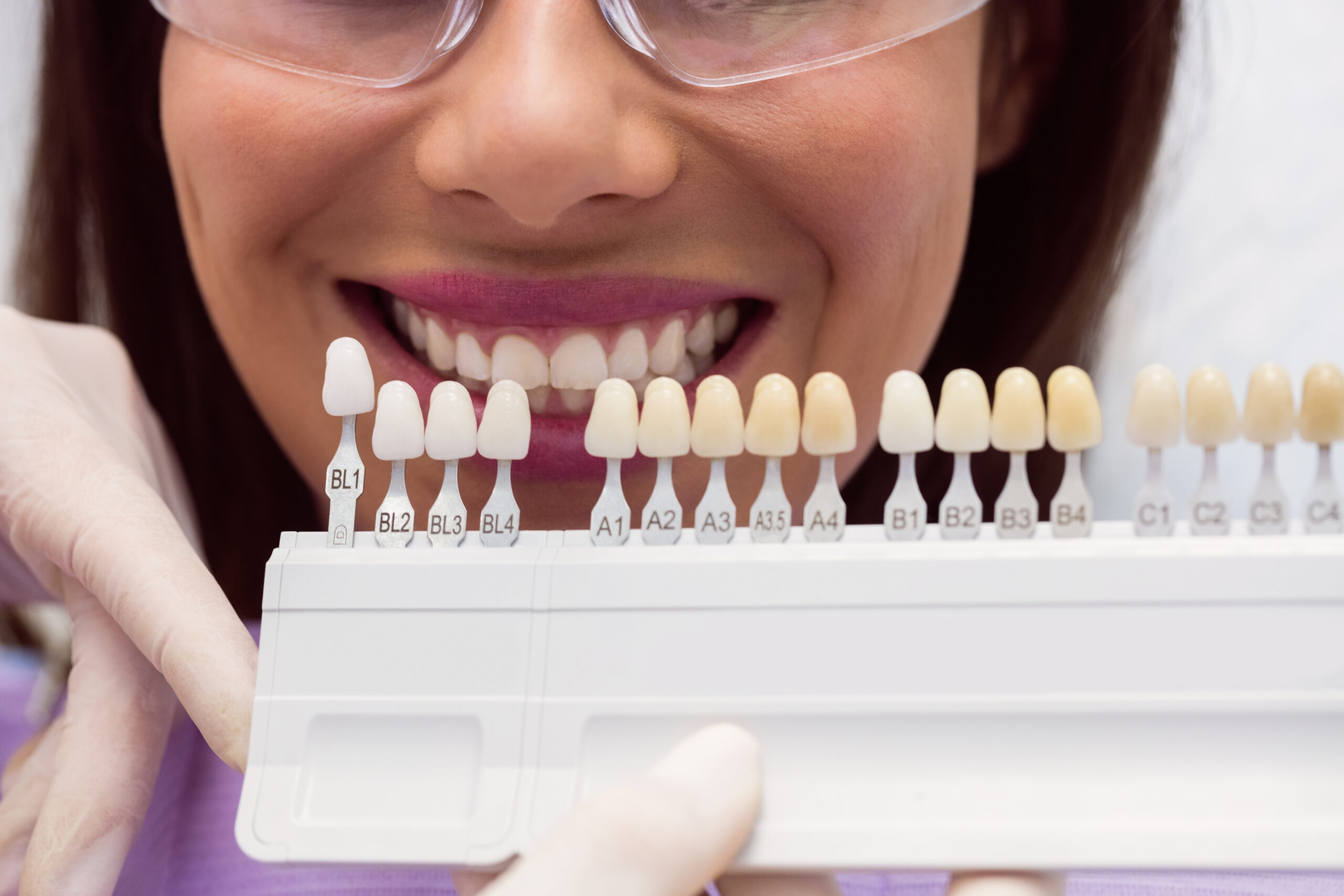
Dental veneers for teeth are thin, custom made shells bonded to the front surface of teeth to improve shape, colour, alignment, and overall symmetry. In our clinical experience at Complete Smiles, veneers are one of the most effective cosmetic options for patients in Rozelle who want long term aesthetic improvement with controlled, conservative treatment planning.
Veneers can address chipped teeth, discolouration, worn enamel, gaps, and mild crowding. The right outcome depends on careful assessment, material selection, and realistic expectations. Below, we explain the types of veneers, benefits, risks, costs in Australia, and how we determine suitability in our dental clinic.
Quick Answers
- What are dental veneers?
Dental veneers are thin ceramic or composite shells bonded to the front of teeth to improve appearance. They change colour, shape, and alignment without replacing the entire tooth. Veneers are commonly used on front teeth for cosmetic enhancement and can last many years with proper care and maintenance. - Are dental veneers worth it?
For suitable candidates, veneers can provide long lasting aesthetic improvement with predictable results. They are worth considering when whitening cannot correct staining, or when chips, gaps, or minor misalignment affect confidence. Suitability depends on enamel health, bite stability, and long term oral hygiene commitment. - How many veneers do you need?
The number varies based on smile width and aesthetic goals. Some patients require two to four veneers to correct specific teeth. Others may choose six to eight veneers across the upper front teeth for balanced symmetry. We assess facial proportions and smile line before recommending a number. - What is the cosmetic dental veneers procedure?
The procedure usually involves consultation, smile design planning, minimal tooth preparation, impressions or digital scans, temporary veneers, and final bonding. Porcelain veneers typically require two to three visits. Composite veneers can sometimes be completed in one appointment depending on complexity. - Veneers for front teeth cost in Australia?
Costs vary depending on material, complexity, and number of teeth. Composite veneers generally cost less than porcelain veneers. In Australia, porcelain veneers typically range from $1,200 to $2,500 per tooth. A detailed examination is required before providing an accurate treatment plan.
What Are Dental Veneers?
Dental veneers are thin restorative coverings placed over the visible front surface of teeth. They are designed to improve:
- Tooth colour
- Tooth shape
- Surface texture
- Minor alignment discrepancies
- Smile symmetry
Unlike crowns, veneers do not fully encase the tooth. They are bonded to enamel, which makes case selection critical.
Types of Dental Veneers
Porcelain Veneers
Porcelain veneers are laboratory fabricated ceramic restorations known for:
- High stain resistance
- Natural translucency
- Durability
- Long term colour stability
They are often recommended for patients seeking comprehensive smile enhancement.
Composite Veneers
Composite veneers are built directly onto the tooth using tooth coloured resin. Benefits include:
- Lower cost
- Same day completion in many cases
- Minimal preparation
- Easier repair if chipped
They may stain over time and generally have a shorter lifespan compared to porcelain.
No Prep or Minimal Prep Veneers
Some cases allow for minimal enamel reduction. However, this is only appropriate when tooth position and thickness allow correct contouring without overbulking.
How Dental Veneers Work
Veneers work by bonding to enamel using strong adhesive systems. The process involves:
- Surface preparation of enamel
- Etching to create microscopic retention
- Application of bonding agent
- Placement of veneer with resin cement
- Light curing to harden the bond
Proper enamel bonding is essential. According to there Australian Dental Association, maintaining enamel integrity is critical for long term restorative success.
Cosmetic Dental Veneers Procedure Step by Step
1. Comprehensive Consultation
We evaluate:
- Smile line
- Lip support
- Tooth proportions
- Bite function
- Gum health
- Existing restorations
Digital photography and scans are taken for planning.
2. Treatment Planning
We determine:
- Number of veneers needed
- Material choice
- Colour shade
- Tooth preparation requirements
Where misalignment is significant, orthodontic options may be discussed first.
3. Tooth Preparation
A thin layer of enamel, usually 0.3 to 0.7 mm, is removed to allow proper fit. In minimal prep cases, reduction may be limited.
4. Impressions or Digital Scanning
We take precise digital scans to ensure accurate laboratory fabrication.
5. Temporary Veneers
Temporary veneers protect prepared teeth while final restorations are crafted.
6. Final Bonding Appointment
We:
- Trial fit veneers
- Confirm colour and fit
- Bond permanently
- Adjust bite
- Polish margins
Comparison Table: Composite vs Porcelain Veneers
| Feature | Composite Veneers | Porcelain Veneers |
| Cost per tooth | Lower | Higher |
| Longevity | 4 to 8 years | 10 to 15+ years |
| Stain resistance | Moderate | High |
| Appointment time | Often single visit | Two to three visits |
| Repairability | Easier | More complex |
| Aesthetic depth | Good | Superior translucency |
Benefits of Dental Veneers
- Immediate aesthetic improvement
- Customised smile design
- Stain resistant options
- Natural appearance
- Long term durability
- Conservative compared to crowns
For many patients, veneers are chosen when whitening or bonding alone cannot achieve desired changes.
Risks and Limitations
Veneers are not reversible in most cases because enamel is removed. Risks include:
- Tooth sensitivity
- Chipping or fracture
- Gum irritation if poorly contoured
- Debonding
- Colour mismatch if surrounding teeth change shade
They are not suitable for patients with:
- Active gum disease
- Untreated decay
- Severe grinding without protective measures
- Poor oral hygiene
- Very thin enamel
If bruxism is present, we may recommend a night guard.
Veneers for Front Teeth Cost in Australia
The cost depends on:
- Material chosen
- Number of veneers
- Laboratory quality
- Case complexity
- Whether additional procedures are needed
Porcelain veneers typically range from $1,200 to $2,500 per tooth in Australia. Composite veneers may range from $350 to $800 per tooth.
Patients should be cautious of unusually low pricing, as laboratory quality and bonding systems significantly affect longevity. The Dental Board of Australia regulates professional standards in cosmetic dentistry.
Are Dental Veneers Worth It?
Veneers may be worth it if:
- You have persistent staining not responsive to whitening
- You have chipped or worn edges
- You want long term cosmetic stability
- You prefer faster results compared to orthodontics
They may not be ideal if structural correction is required or if teeth are severely rotated.
We assess long term functional stability before recommending treatment.
How Many Veneers Do You Need?
This depends on:
- Smile width
- Symmetry
- Visible teeth when smiling
- Budget considerations
Common options include:
- Two veneers for isolated damage
- Four veneers for central aesthetic improvement
- Six to eight veneers for full upper smile design
We always design veneers to blend with adjacent teeth.
How Dentists Assess Suitability and Choose the Right Veneer Option
At Complete Smiles, we assess:
- Enamel thickness
- Gum health
- Bite forces
- Tooth position
- Patient expectations
- Long term maintenance ability
We may recommend alternatives such as whitening, orthodontics, or bonding if veneers are not the most conservative choice.
What This Means for Patients in Rozelle, NSW
Patients in Rozelle often seek veneers for professional image, event preparation, or long term cosmetic correction. Environmental factors such as coffee, wine, and lifestyle habits contribute to staining and enamel wear.
Regular maintenance through check ups and professional cleaning helps protect veneers long term. You can learn more about our full range of treatments on our dental services page.
Conclusion
Dental veneers for teeth provide a predictable, aesthetic solution for suitable candidates seeking smile enhancement. The key to successful outcomes lies in correct case selection, high quality materials, and precise bonding techniques.
If you are considering veneers, a personalised assessment is essential to determine the most appropriate option for your smile.
Book a Veneers Consultation in Rozelle
If you are considering dental veneers for teeth, our team at Complete Smiles in Rozelle provides comprehensive cosmetic assessments tailored to your goals and oral health. Visit our dentist in rozelle explore our dental services, or arrange an appointment via our online booking page. You can also contact us through our contact page to discuss suitability.
Frequently Asked Questions
- Do veneers damage your natural teeth?
Veneers require removal of a thin layer of enamel. When properly planned and bonded, they do not damage teeth structurally. However, the procedure is generally irreversible. - How long do porcelain veneers last?
Porcelain veneers can last 10 to 15 years or longer with proper care, regular dental visits, and avoidance of excessive biting forces. - Can veneers fix crooked teeth?
Veneers can correct minor alignment issues. Significant crowding or bite problems may require orthodontic treatment first. - Are veneers painful?
Most patients experience minimal discomfort. Local anaesthetic is used during preparation. Mild sensitivity may occur temporarily after placement. - Do veneers stain over time?
Porcelain veneers are highly stain resistant. Composite veneers may stain gradually, particularly with coffee or wine consumption. - Can you whiten veneers?
No. Veneers cannot be whitened. Teeth whitening should be completed before veneer placement to match shades accurately. - What happens if a veneer falls off?
If a veneer debonds, it may be re bonded if undamaged. Prompt dental review is recommended to prevent sensitivity or decay. - Are veneers covered by health insurance?
Some private health funds may provide partial cover under major dental categories. Coverage varies by policy. - How do you care for veneers?
Maintain regular brushing, flossing, and professional cleaning. Avoid biting hard objects and use a night guard if recommended. - Can veneers be replaced?
Yes. Veneers can be replaced if worn or damaged. Replacement planning should consider enamel preservation and gum health.


